Happy Hampers At Xmas

Not sure what gifts to get friends and relations that live nowhere near you? A great British Hamper can send your best wishes as far away as Australia.

‘That’s called ‘sizzle’, a friendly packer tells me as I handle one of the elements that go into packing a British Hamper Company hamper for postage.

I feel like Gregg Wallace, but while he always feigns amazement, ‘Gor! Vat’s incwedible!’, I am genuinely intrigued..

Sizzle is the trade word for the shredded paper ‘straw’ that is used in vast quantities not just to protect all the items in transit, but to add to the visual appeal and the excitement when the lucky recipient delves into their hamper.
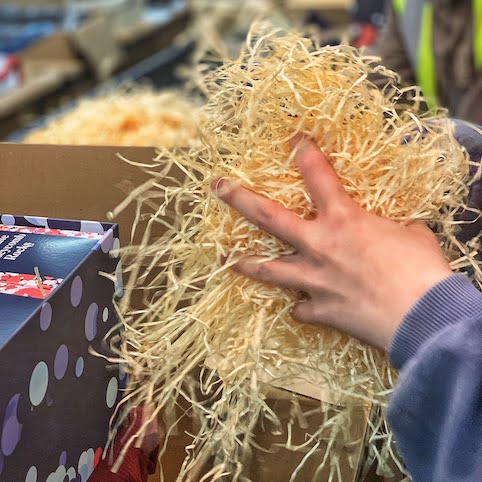
‘We do it in layers, as well as around the items, that way the surprises keep coming. It’s all part of the fun’.

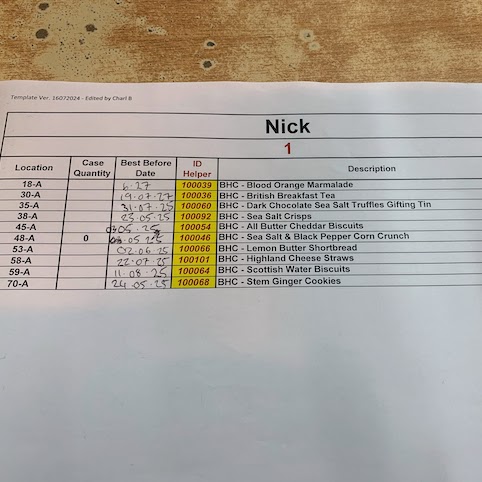
It’s a happy place, The British Hamper Company. The regular staff of around eighteen are right now supplemented with another thirty to handle the demands of Christmas. There is no automation, no humming soulless machines, each packer finds all the items required for the hamper that’s been chosen online and adds them to the hamper by hand.

There’s an art to the packing and each item has its own rules to make sure it presents at its best. Even the ribbons are tied in a standardised way. ‘I love working here.’ one young seasonal worker tells me (and no, she was not in earshot of management) ‘best place I have ever worked. It’s good to know what you’re packing will be a lovely gift for someone and doing it well is satisfying’.

It’s a family business, James Tod is the co-founder and MD, his dad Mike is the other founder and Chairman, and his sister Alice is Sales Director. In 2014 they decided to get into e-commerce and from experience in his world travels, James felt there was demand from expats for much loved British food, as well as British gifting.
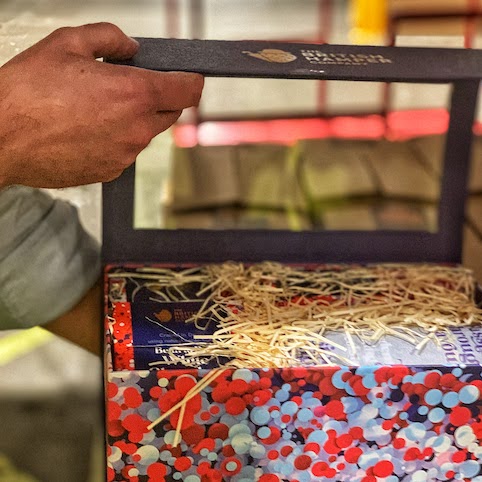
A website was set up and the best British artisan producers found. At first, working out of a gazebo office and a barn, sales were slow, around sixty hampers a month. Then came the first Xmas period and sales hit a thousand a month. Now sales are around 30 thousand a year, and they have a proper warehouse facility just outside of historic Lincoln.

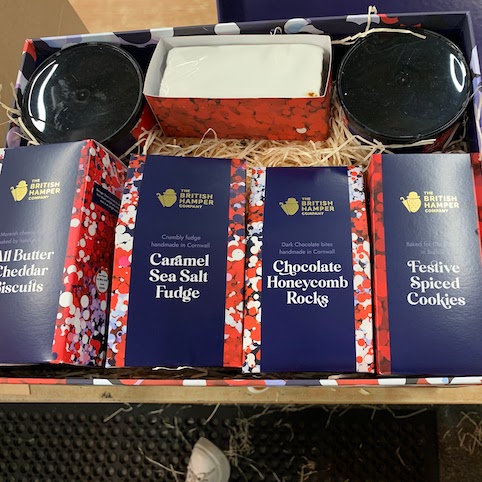
‘Thirty five percent of our hampers go overseas’ explains James as we eat a ‘picnic lunch’ using a variety of delicious goods from the warehouse, ‘although’ he says, gesturing at the table, ‘of course those going out of the UK can’t contain perishable produce like this smoked salmon’. It’s very good smoked salmon, and I help myself to some more luscious slices. I also eat more than I should of the All Butter Cheddar Biscuits,  which are absolutely delicious and fiendishly addictive.
‘We begin planning for Christmas in March,’ James explains,’then start test-tasting new products and ordering the stock in May. Finally in September we begin to pack 500 – 600 hampers a day with the dry goods. These can be stored ready and then just before dispatch in go any perishables such as cheese and salmon, as well as any personal message. Delivery is guaranteed within a few days in the UK, often the next day.’

Each year artisan producers all over the UK approach the company hoping to be selected, a tasting task that the family relish. Whilst everything in the hampers carries only TBH branding, the volume they can sell makes it well worth it for the producers because that income supports their businesses in a reliable way. ‘They can focus on creating great products and we do all the rest,’ says James.

So what might lucky recipients find in their hampers, which come in all sizes from bijou to whopping?  Well a £55 Xmas hamper has Sweet & Salty Popcorn, Caramel Sea Salt Fudge Gifting Tin, Bean to Bar Milk Chocolate, Jalapeno & Lime Mixed Nuts, Festive Spiced Cookies, Sea Salt & Black Pepper Corn Crunch, All Butter Cheddar Biscuits and Bean to Bar White Chocolate. The options are almost infinite and all very tasty.
At the very top end there is the £1000 Grand Extravagance Hamper with whiskies, cheeses, and superb English sparkling wines, amongst a plethora of other treats, all in of course an eco-friendly traditional wicker basket. Hampers also come in cool cardboard boxes, too.

In between there is a massive choice to suit all tastes, including vegan, gluten-free, halal and other specialty options. About thirty five categories in all, which makes picking the perfect hamper very easy.

Prices include packaging and carriage to your chosen destination. And with a hub in the Netherlands, hampers and gourmet produce can be shipped across Europe with fast and reliable delivery and no additional customs fees.
‘We also do a good trade year round in providing corporate gifts.’ adds James, ’many big companies like to fly the flag with their customers and a luxury hamper of British goods is a great way to do it. We can personalise their hampers, too.’

Down in the warehouse, I have a go at packing. It is actually quite good fun, although my attempt would not pass the quality control. My sizzle action is praised though ‘Nice and tight’.

Maybe I can come back next year.

You’ve still got time to order a gift hamper for someone special for Xmas, although the last dates for abroad are fast approaching.

Make your choice at
www.britishhamper.com
You Be Chef. Light Up Your BBQ Game

These boxes of deliciousness from the Isle of Wight  are just the thing to make your barbecue sing

Okay yes I know, the weather has been a bit awful. Not that it ever stops me BBQ’ing though because I have the best BBQ in the world, the Weber Kettle, and it has a lid.

In the UK we tend to refer to anything cooked over charcoal as BBQ but, to be more accurate, what we Brits tend to do is grill.


BBQ means the food is not cooking directly over the charcoal, but instead is ‘oven cooking’ with the BBQ lid on, This is what traps the delicious smoky aromas and is perfect for large pieces of meat. That lid also means you can cook in the rain. I also have a remote thermometer so I can monitor the temperature inside the meat without leaving the house. Cunning, eh?

So we got ready to cook with one eye on the sky and the lid at the ready.

You Be Chef comes from the Isle of Wight, via chef Robert Thompson. Not only does he have an MBE, but he also won a Michelin star in 2007.

Robert is a champion of Isle of Wight produce, and is a big part of the Island’s food scene. His idea was to take the island’s produce, write recipes around it, and send the food and instructions all over the UK.

Our trial chilled box arrived on the hottest day of the year (so far) and was thoughtfully left on the front doorstep, in the blazing sun, by a delivery driver who obviously didn’t think it was worth ringing our bell.

Luckily he did at least send me a text and so I was able to call my wife to rescue the parcel before it melted away, or became victim to our local ‘porch pirates’. They will pinch anything round here, even though they have no idea what it is they’re nicking.

Unboxing was fun, each panel revealing a message, and it was good to see most of the items were in recyclable packs, some sort of cardboard material. 

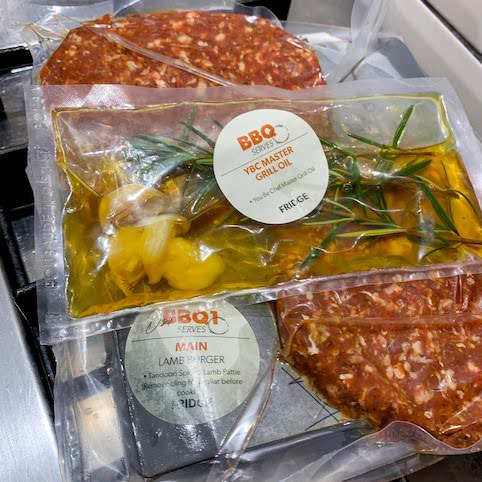
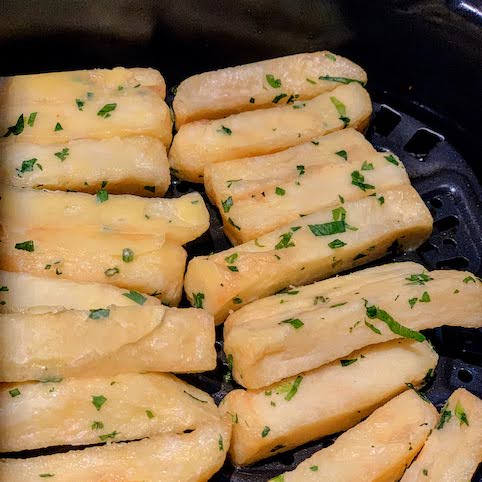
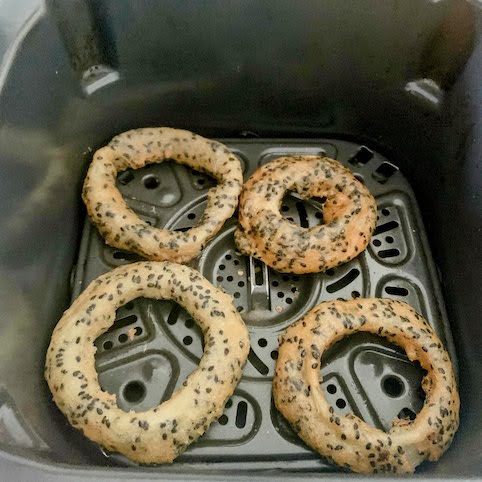
We had the Tandoori Lamb Burger for two. So we had the burgers (natch), and then in various packs – Sesame Challah Buns,  Pont Neuf Potatoes with Garlic and Flat Parsley Butter; Onion Rings – Fried in Curious IPA Beer Batter with Black Onion Seeds; Rose Harissa Hummus; and Crushed Avocado with Lime, Beef Tomato slices, Feta, and Baby Gem Lettuce. Oh and there was Red Onion, Mint and Lime Salad and flavoured grilling oil.

It all appeared good, but for the lettuce leaves, which clearly had not enjoyed their journey and were rather limp and tired looking.

Juggling the oven times for the chips and the onion rings was a bit tricky. After some thought we cooked the rings first in our brilliant Ninja Foodie,  then took them out and kept them warm while we cooked the chips, then we put the rings back on top for the final minutes to get them hot again.

The burgers were a large diameter, I had my doubts they would fit in the buns, but once cooked they became the right size.

Now I am no chef, but I was surprised when the instructions said to give the burgers six minutes a side. I was so doubtful, that after rubbing them with the supplied grill oil,  I only gave them three minutes a side, after which time my trusty Thermapen read 62C in the centre, which is just right. I suspect there may be a typo in the instructions and it really means six minutes in total.

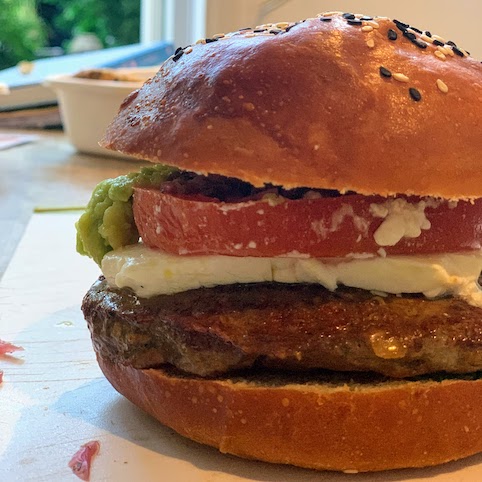
We added, as per instructions, the feta to the top of the meat for the last minute to warm it up, then split our buns (ooo err madam) toasted them lightly, and put the lettuce on the bottom (it’s important to ‘waterproof’ the bun from the juices), then added all the other ingredients to create an impressively stacked burger.


I’m a survivor of the burger craze which swept social media a few years back, ending only when the biggest influencers realised they were killing themselves eating so many monster burgers a week and gave up, so I know what to look for and this burger was perfect.

It had size, but with heavy pressure it was compressed to be eatable. And very good it was too, with the lamb superbly juicy and spicy. The other ingredients all added to the pleasure, particularly the salty feta and the limey avocado. The buns were a bit sweet for me, but fine.

The Red Onion, Mint and Lime Salad was rather like shredded pickled onion, no bad thing and mint is always an ideal partner for lamb.

The onion rings were crunchy and also sweet. We liked them a lot, but couldn’t eat all eight, and the chips were excellent, although dangerously hot inside so we had to leave them to cool for a bit. They were great dipped into the hummus, which was not as spicy as feared.

It really was a great BBQ blow out. Having everything ready made was a game changer and made it all so easy. And it didn’t rain.

Order your boxes at www.youbechef.com

Proper Parmesan Takes Its Time

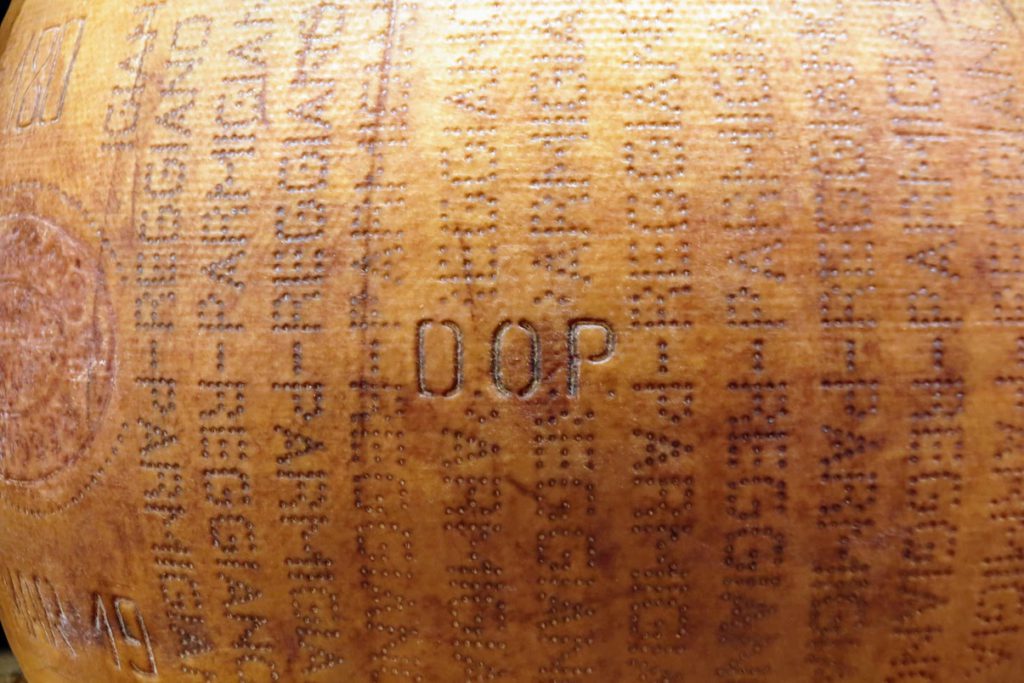
If your cheap parmesan tastes terrible it’s because it’s not the real thing. I went to Parma to see how genuine, PDO protected, proper Parmigiano Reggiano is made and why it has a premium price tag.

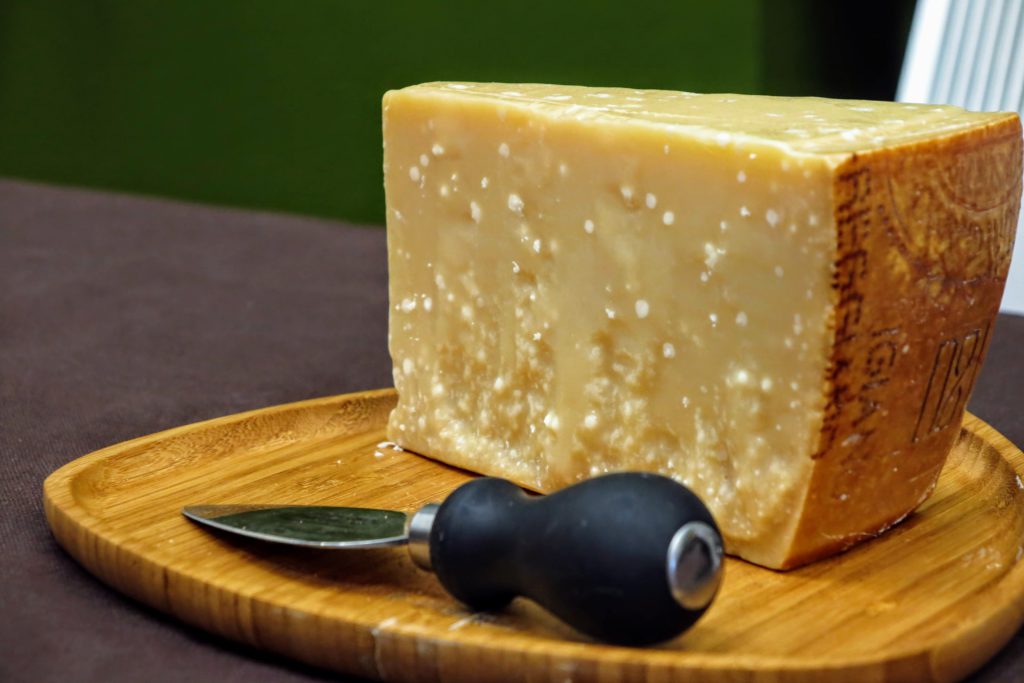
‘So this cheese is twelve years old,’ says Simone Ficarelli, the international marketing officer of Parmigiano Reggiano, expertly wielding the short, stubby, knife that’s the traditional tool used to break off chunks from the giant wedges.

There are white lumps in it, a distinct mark of a mature cheese. These are calcium lactate crystals, and are perfectly safe to eat. In fact the crystals in Parmigiano Reggiano cheese are a sign that the cheese has been properly aged. When you eat the cheese the crystals spark out a nutty flavour that complements the saltiness.

DOP Parmigiano Reggiano has been made for over 900 years and is only produced in the provinces of Parma, Reggio Emilia, Modena, Bologna to the left of the Reno river, and Mantua to the right of the Po river. This is the area of the farms where the cattle for the milk are fed on locally grown forage. It can only be made with this skimmed cow’s milk, salt, and rennet for curdling.

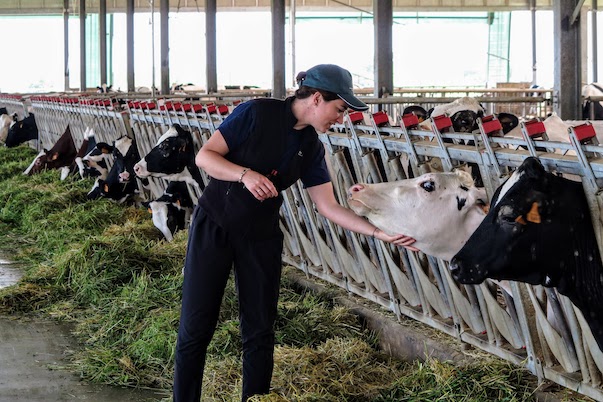
The cows live in airy open-sided barns, with extra fan cooling in summer, and they eat bundles of the lush grass that surrounds them. Strict rules ban the use of silage, fermented feeds and animal flour. They seem very happy, with plenty of room to move, and their waste is regularly pushed out and used for the farmlands. Water is carefully rationed for cleaning, no more than is necessary. This is an eco conscious process with rainwater collected from the giant roofs

Making milk into magic

TIn the dairy later, suitably attired in hair net and white coat, I learn more. Their milk then travels just a hundred metres to the next door dairy where, after being left long enough for the cream to rise and be skimmed off, it’s poured into traditional copper vats to be heated. It takes about 550 litres of milk to produce one wheel of Parmigiano Reggiano.

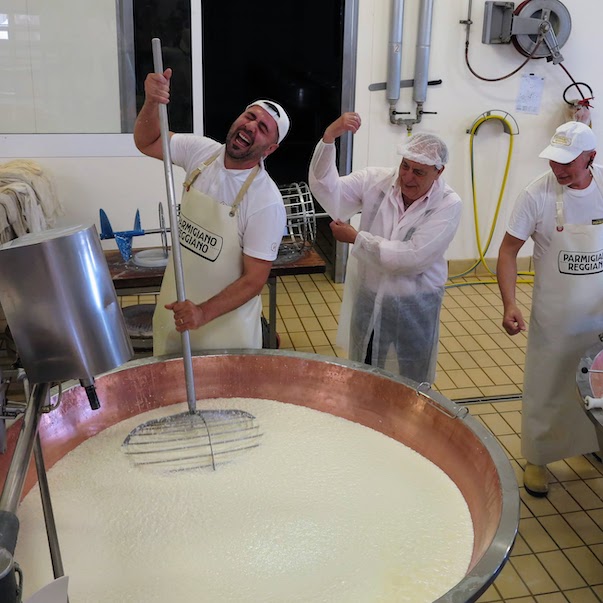
Rennet is added to curdle the milk and I watch the expert cheese makers sift the milk through their fingers to check the process. It’s a skill that a machine cannot emulate, only experience can work the magic.

When the expert decides the time is right, a large ‘whisk’, a  traditional tool called a “spino”, is used to break up the curd into smaller pieces. It’s hard work but the men cheerfully put their backs into it. This isn’t just a job, this is a labour of love.

The cauldron is heated to 55 centigrade, and the granules slowly sink to the bottom forming a single mass. After about fifty minutes the large lump that’s formed is divided into two with a  large wooden paddle and these are lifted out in muslin bags. The remaining liquid, the aromatic whey, will be sent off to feed local pigs and give us delicious Parma ham.

The next stage is to put each lump into the cheese moulds. These have a plastic lining embossed with all kinds of details of date, time and place, as well as a number that tells if the cheese was made in Reggio Emilia, Parma, Modena or Mantua 

This information embeds itself permanently into the rind as it forms, meaning the cheese has a ‘signature’ that’s impossible to fake or remove. Apparently though they are also experimenting with putting a microchip in the cheese to make it even easier to check provenance. As I say, there is big money in forgery and this product is so fine that the consumer has to be protected. 


The cheeses then head off for a relaxing salt bath for about three weeks. Here modern machinery is used to do the regular lifting and turning. These cheeses are very heavy at this point, being still full of moisture. In the old days it must have been very tough work.

Age is key

The cheeses once out of their briny bath are never aged for less than 12 months. At this stage the aroma is of fresh fruit, grass and flowers and the cheese is almost sliceable. After 24 months the crumbliness develops, while at 36 months spicier notes arrive. 36 months is usually the cut off point for general consumption, but some cheeses are pushed on to 48 which is a bit of a connoisseur’s cheese.

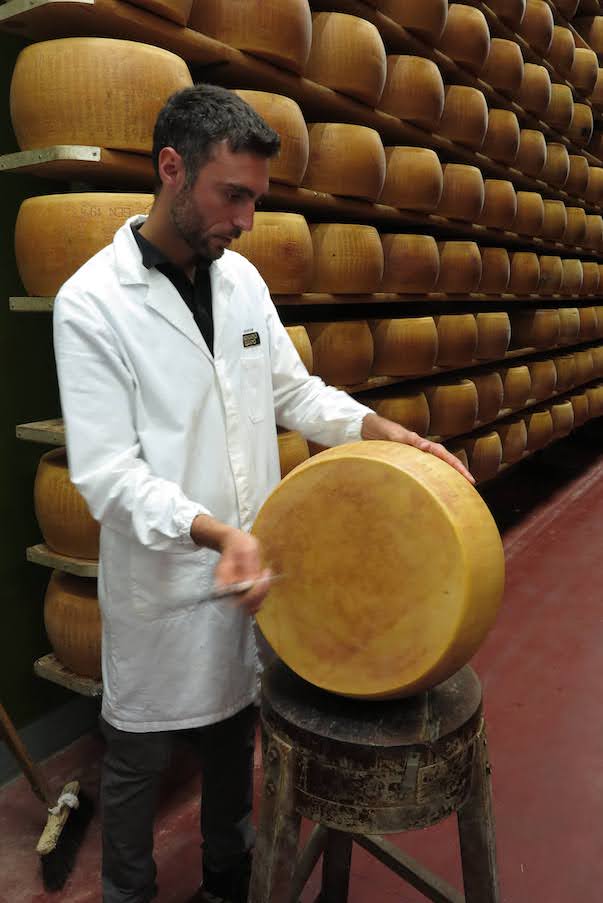
The cheeses are stored for all this time in vertiginous racks in massive temperature controlled rooms, and regularly tested by tapping them with a special hammer, as has been done down the ages.

The sound it makes is just a dull thud to my ears, but it tells the experts how well  the cheeses are maturing and any subtle tone variation will also reveal any fissures hidden inside the cheese. A fissure means the cheese, while perfectly good in every other way, must be rejected for sale as a whole cheese, the identifying rind will be removed and it will be broken up and used to make high quality ground Parmigiano Reggiano instead.

Cheese to please

The different ages result in cheeses for all occasions. The more mature being ideal for eating on their own as an aperitif, the irregular lumps really spreading the flavours onto the palate. Try some with a dab of honey and perhaps some walnuts.

Of course they are all delicious grated or shaved fresh onto salad or over pasta, but never please over seafood. Pasta with lots of butter, black pepper and grated Parmigiano Reggiano is a simple and delicious dish when made with such a quality ingredient.

It is of course delicious in a risotto, that final addition lifting all the flavours up

To keep a large block, which is a great investment, ideally wrap it in greaseproof paper, vac pack it, and put it in the fridge (never the freezer). It should be brought out to room temperature at least an hour before eating so the aromas and flavours reawaken.

If you have a large pestle and mortar then grate  Parmigiano Reggiano in, then add the best basil you can find, pine nuts, garlic and olive oil to make the very besto pesto.

So don’t just use Parmiggiano Reggiano for your spag bog! This versatile cheese has taken a long time to get to your kitchen, so take the time to make the very best of it.

#tasteofeurope #enjoyitsfromeurope #parmigianoreggiano #parmesan #euquality @parmigianoreggianouk

The Dark Secret Of Great Bread. Grano Arso

Not perhaps the best product name, for English speakers at least, Grano Arso is a magical baking ingredient.

Myth has it that back in 18th Century Italy, poor villagers would scrabble to gather the scorched grains left after farmers burned their harvested wheat fields to make way for new crops.

They’d use this free flour to make bread and pastas with a distinct flavour.


Well, as is often the way with food, what was once only for peasants has become sought after by the well-heeled.

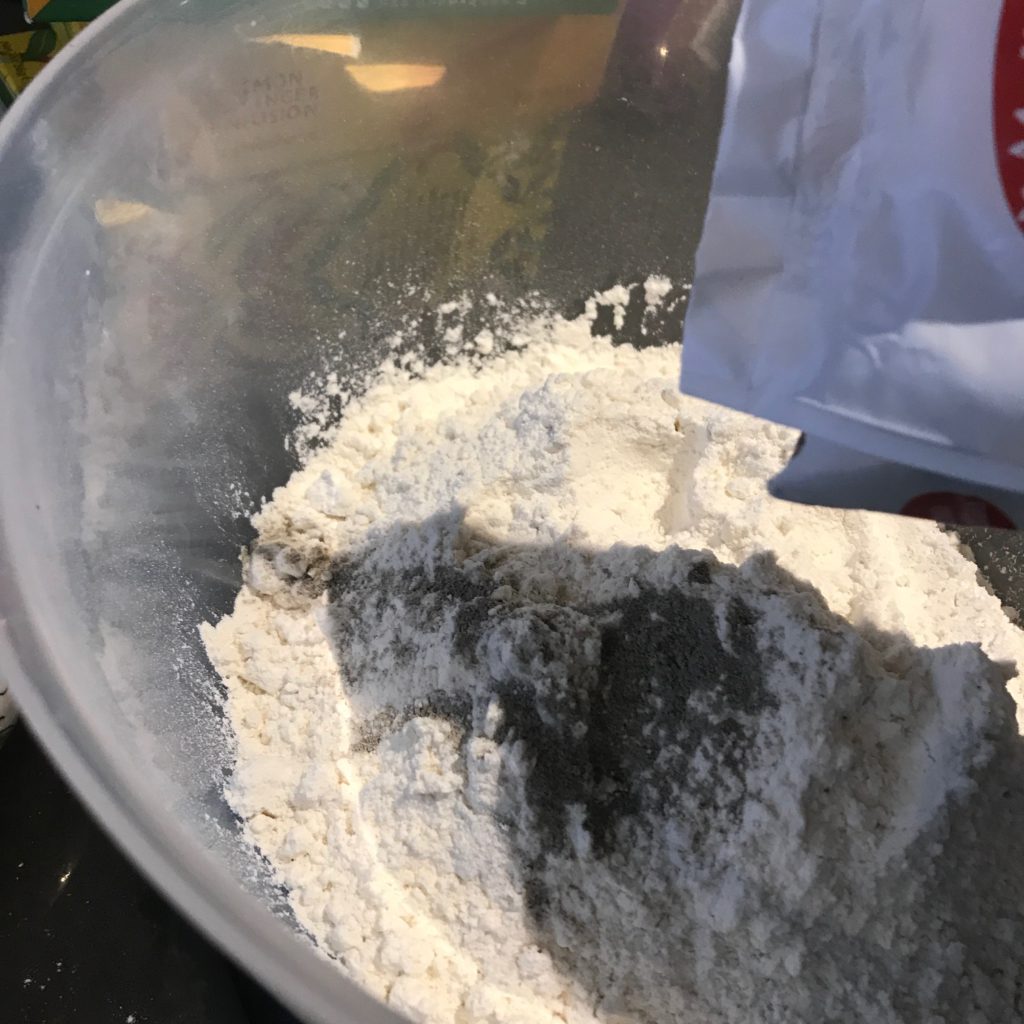
Knowing that I am a keen bread baker, online Italian foods specialist shop Gourmica sent me a bag of Grano Arso(400g, £5.15) to try out. They make it by toasting 100% Durum wheat flour.

Opening the bag you get an immediate hit of the aroma of ash, almost sepulchral, and the colour is a darkish grey. It’s not as attractive as ordinary flour. This is probably what Nosferatu bakes with.

Usually I’d have made a sourdough loaf, but my ‘mother’ (who is now six years old) was having a bit of a sulk in the cold weather and not responding well to feeding, so I reluctantly fell back on Instant Yeast


I normally use 500g of strong white bread flour, so I decided to make this mix 400g white and 100g Grano Arso. Nothing added but fast action yeast, water, salt and a smidge of sugar.

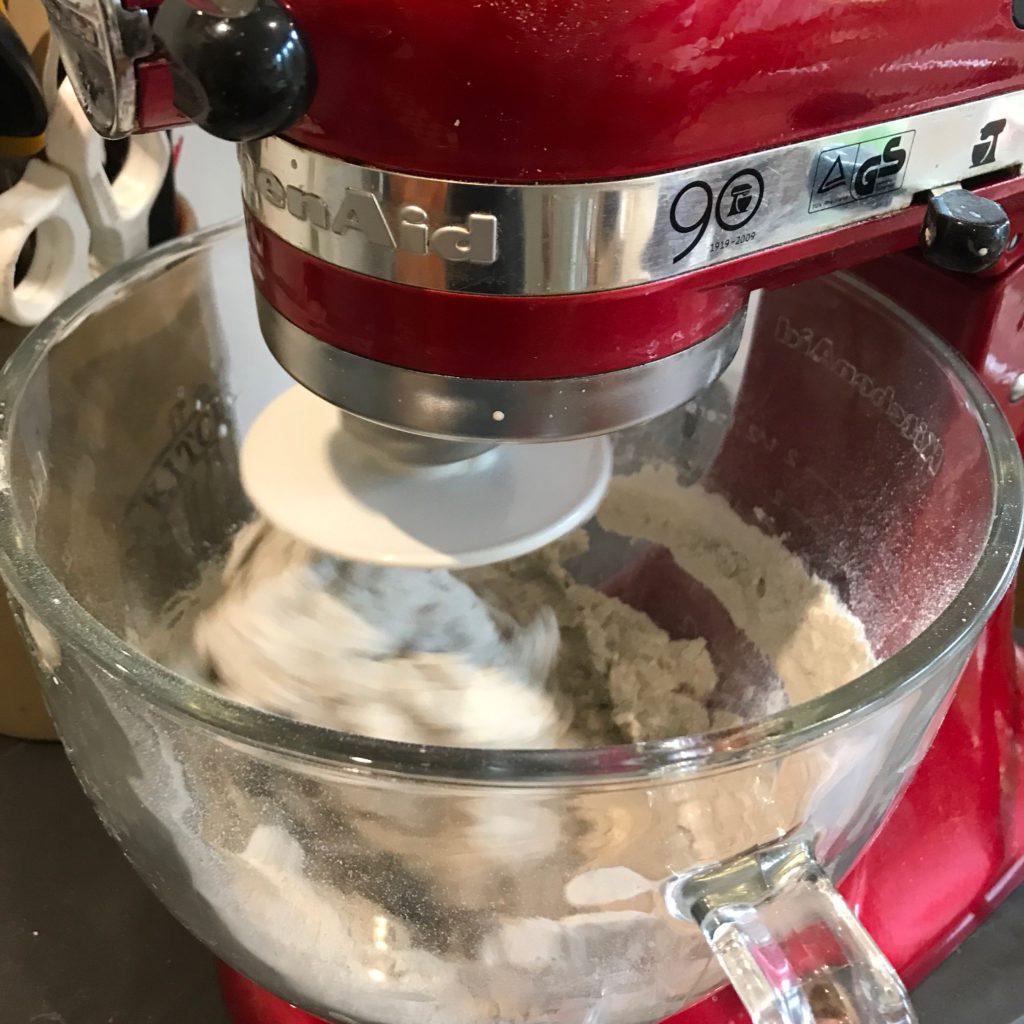
The KitchenAid made easy work of the kneading (I don’t need to knead sourdoughs) and I soon had a dark ball of smooth dough which after two rises went into the oven for 35 minutes.

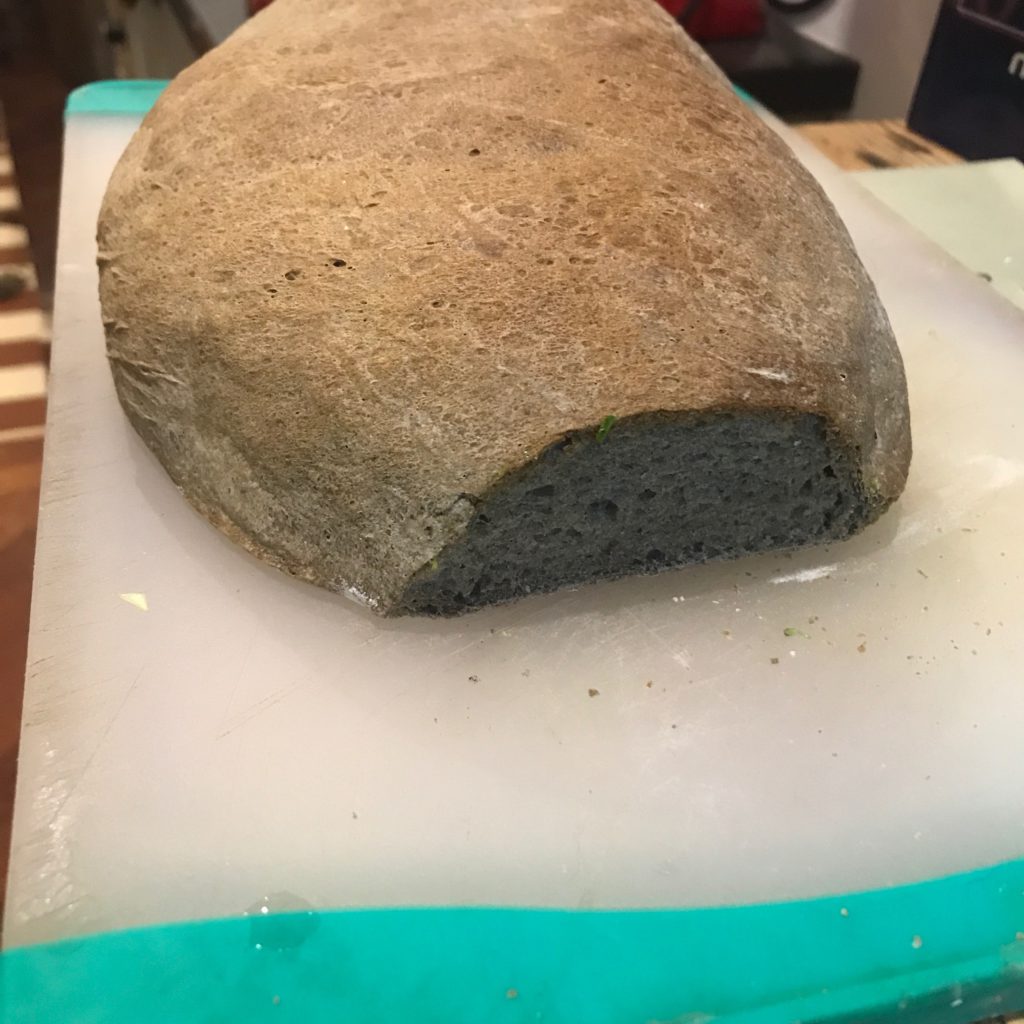
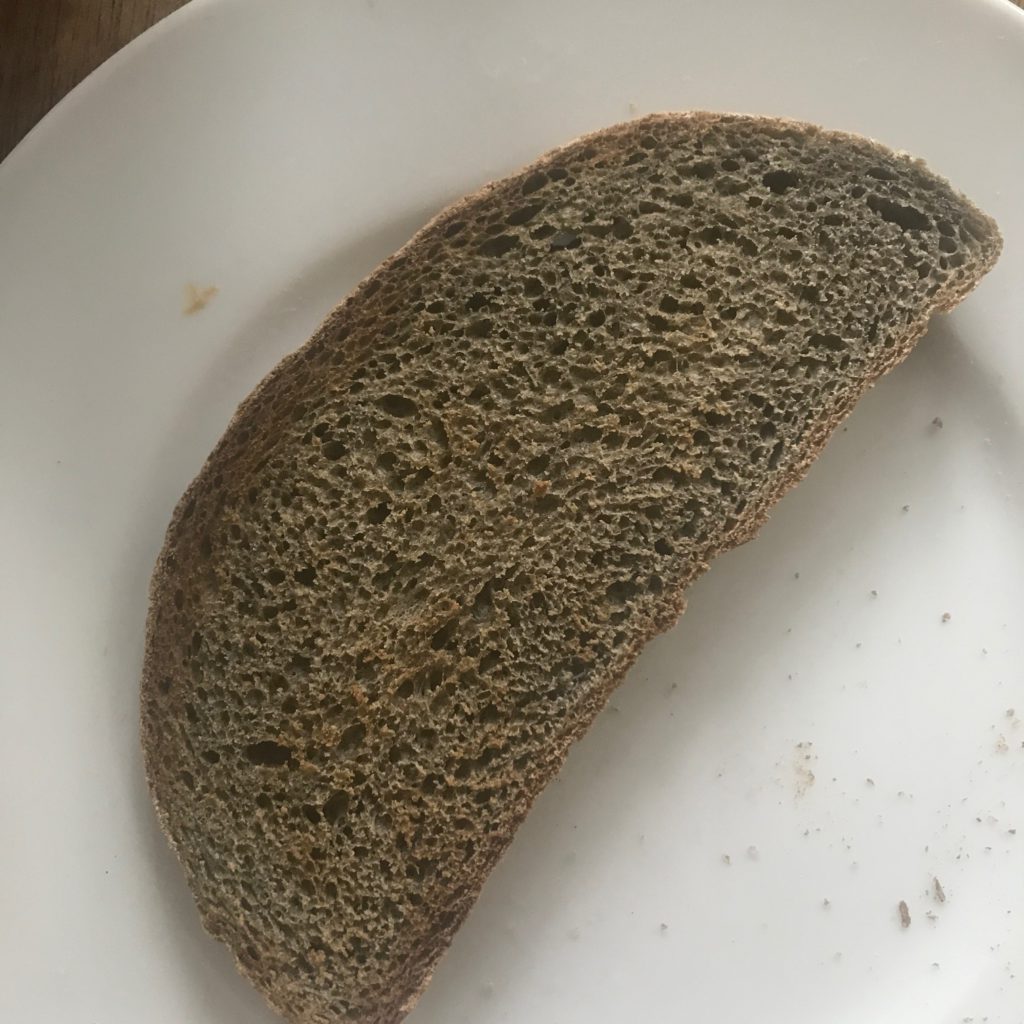
The resulting Humbrol Battleship Grey loaf was a bit flat, I’d used a bit too much water, but still good to go. I had to then impatiently wait for it to cool properly. If you cut into a loaf that’s still hot, you release steam and spoil it.

Finally slicing it a few hours later revealed a typical fast yeast close crumb, but grey. The aroma was of fresh bread in a dusty room. Not unpleasant.

The taste was at first a bit of a shock, a definite hint of ash, intriguing and moreish. Adding butter made it totally magical.

After a few slices I was hooked, it responds particularly well to toasting and is marvellous made into toast soldiers to dip into boiled egg.

I’ll be making sourdough next time for sure, and I am really looking forward to adding it 00 flour to make fresh pasta. Pasta always looks so bland. The pack also has a recipe for a kind of ciabatta, which looks interesting

You can also of course vary the flour ratio. I wouldn’t use any more than 1:4 myself but I might try a little bit less Grano Arso to see what happens. A pack won’t last long otherwise


It’s just one of the many products from Gourmica a new online destination for gourmet Italian food which focuses on extraordinary Mediterranean foods.

There are tomatoes (including the champagne of tomatoes, San Marzano); pasta, rice & grains; oils & vinegars; beans & pulses; soups & sauces; antipasti and even plant-based choc-hazelnut spreads. 

Gourmica is curated by Londoners Ernesto Coppola and Maria Suleymanova, of Coppola Foods , a fourth-generation family food business.

The team at Gourmica actively seek out family businesses whose specialist expertise has been passed down through the generations, just like the Coppola family.

Check out the whole range at www.gourmica.co.uk

And definitely try the Gran Arso, it’s not much of a name for sure, but it’s certainly something special to add to your food armoury.


How Do You Like Them Apples? The English Apple And Pear Harvest Has Begun.


I join Chef Raymond Blanc to visit an apple and pear farm and see one of the UK’s food treasures begin its glorious, and green, journey to your fruit bowl.

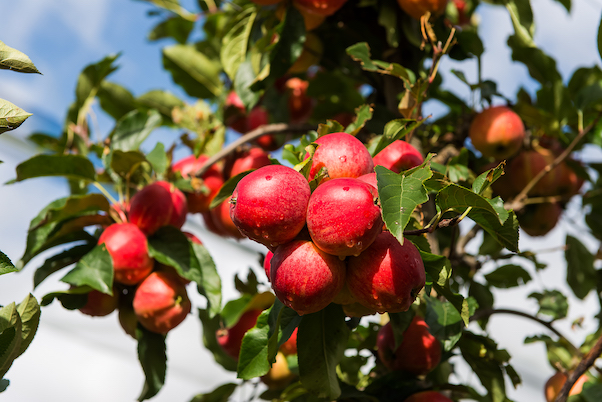
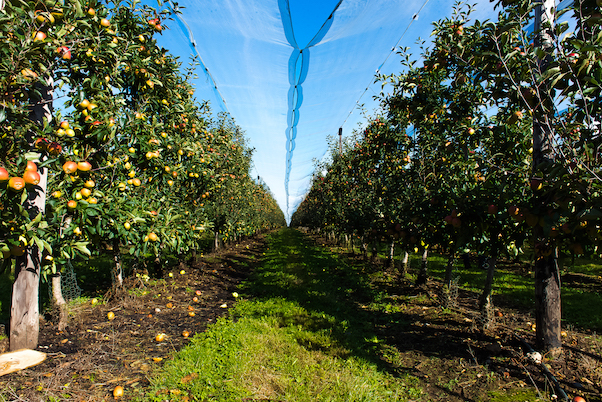
Apples, apples everywhere –  Gala, Braeburn, Jazz, Cox and English Bramley. The colours sing off the trees in all directions on Boxford Farms  giant apple and pear orchards in Suffolk . Reds, greens, bicoloured and yellows and all shades in between.

The colours are especially vibrant this year as Ali Capper, Executive Chair of British Apples &; Pears Limited who is with us in the field explains: “Most British dessert apples have a beautiful colour to their skin that is created, in part, by our fantastic maritime climate which lets the apples mature slowly, and this year is no exception.” It’s why apples from abroad rarely please the eye as much.

And let’s talk about ‘green’.  Robert Rendall from Boxford Farms, a third-generation family business, is enthusiastic about his growing methods. “As a business we already produce more green energy and recover more water than we use, and it is our goal to be a carbon sink by 2027.”

Like 93% of growers he uses biodiversity measures, such as varied grasses and wildflowers to encourage insects, as well as creating beetle banks and bee hotels to encourage natural pollinators.

Nothing goes to waste here, the apples that naturally fall before they can be harvested are not allowed into the food chain by law,  but they make excellent fodder for the farm’s Anaerobic Digester. This turns the apples into Biogas, enough gas to produce heat and electricity for the farm’s needs and often enough surplus to sell.

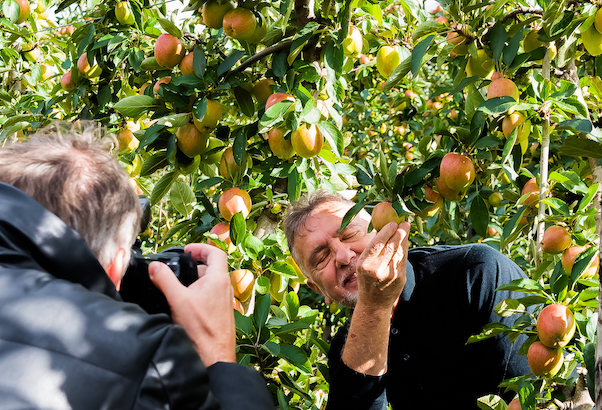
Chef Raymond Blanc nods approvingly at Robert’s words and crunches into another apple. We’ve only been out here fifteen minutes and he must have already eaten three at least, he certainly takes his role as ambassador seriously.

A few minutes later he’s got another apple in his hand, as he good naturedly follows the tabloid photographer’s directions to stick his head through a wall of apple trees and bite down for the camera.

“Britain produces some of the finest apple and pear varieties in the world,’ he says, ‘and it is hugely important to me that we support our home grown produce. With so many wonderful varieties available this season in an array of beautiful colours, textures and flavours, there really is a British apple to delight everyone.”

And he says we should all recognise the work that goes into getting apples to us as we’re shown how the apples are harvested, always by hand as no machine can beat the skill of a human picker.

Ripe for picking

Firstly it’s about knowing when the apple is right. That comes with experience, but also today by science. One device that’s used tests the firmness of the apple on the tree – rock hard is under ripe, the apple should give to the teeth.

Then there is the starch iodine test. As apples ripen their starch is replaced by sweetness. The test apple is stained with a 4% potassium iodide/1% iodine solution. As the apples become ripe, they go from a dark iodine staining to a lighter staining.

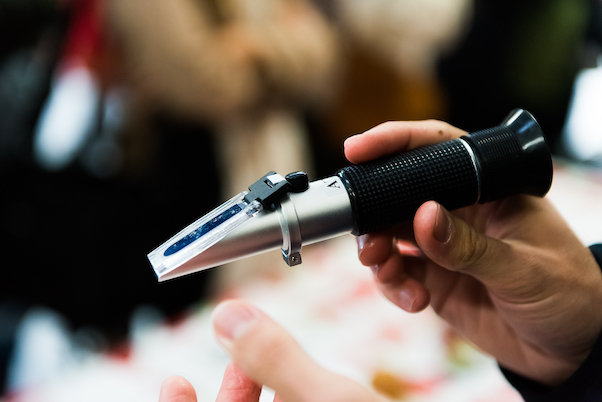
And finally there is the refractometer; a small amount of juice from the fruit is squeezed onto the prism of the refractometer which is then held up to the light and the percentage of soluble solids is read by looking through the lens. Chef Raymond has a go and soon resembles Admiral Nelson looking for ships.

It’s in the wrist action

Every aspect of the harvest is an exercise in care. Each apple is picked by a twisting wrist movement, ‘you never pull,’ I am advised by a pro who is watching me carefully as I try. ‘Twisting means the little spur branch stays on the tree to produce fruit next year, and there’s less risk of shaking other apples to the ground. And use your palm to grasp,’ he admonishes me,  ‘not your fingers which might bruise the apple. If the apple doesn’t want to come away easily, it’s not ripe so leave it.”

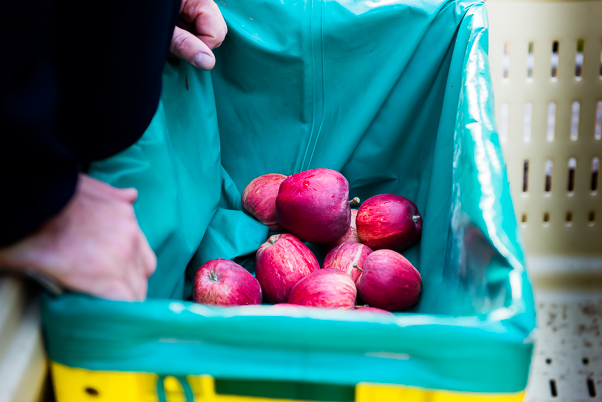
Each apple is carefully placed in a cloth lined box on the tractor hopper- never dropped in. When the box is full the apples are gently transferred to the main hopper.

‘We take all this care,’ one of the pickers says ruefully ‘and then I go into some supermarkets and see the shelf fillers just tumble the apples in!’

That is a shame, we all should respect English apples, an original and unique English crop that’s been grown here commercially since Henry VIII set up the first large-scale orchards in Kent.

An apple a day

So do try as many varieties as you can, as they are all in their prime and in the shops now.

Try them with cheese, for example, apples partner excellently alongside cheeses with each variety’s unique textures and tartness add to the taste experience. Sweet is not always the most exciting kind of apple, although it remains the most popular.

British Apples are a sustainable green choice, endorsed by a top chef and easily enjoyed by everyone. Look out for them in the shops from this week onward.

Try these delicious apple recipes.

Getting The Bee(r)s In With Hiver Beer

Bees make honey, honey makes great beer. Nick Harman goes to meet the buzzing workers in South London and of course taste some of the honey beer.

‘I’ll just make sure the Queen is still in there before I put the frame back in the hive,’ says Barnaby Shaw, Lead director at Bee Urban, as we observe apprehensively from inside our bee suits.

It’s spitting with rain and the bees seem spitting angry too. They need to have their home put back together asap. ‘It’s a bit late in the day to disturb them’, says Barnaby peering closely at the frame, still looking for the Queen who will be marked with a coloured dot. ‘The bees are usually active between about 10am and 4pm and out foraging. Now they need to rest’.

The ones trying to get at my face could certainly give it a rest. Although I’m totally secure behind my spaceman mask, the bees are right up in my grill and while I know they can’t get past the mesh visor, I still feel a bit uneasy. And is that something crawling up my ankle? Continue reading

When is a cow not a cow? When it’s a Txuleton

Before I begin, I assume none of you lovely readers are vegans or vegetarians? If so, you might want to stop reading now.

I myself eat meat, but not a lot. So, when I do eat it, I want something special.

Txuleton is that something special.Txuleton, or rib, steak usually comes from the Rubia Gallega cow.

It’s a cow from North West Spain that can be as old as 18 years before being turned into steaks.In the Basque country old dairy cows are used.

That is pretty old. I mean in the UK beef is usually slaughtered before the cow gets to three years.

Normally dairy cows past their milking prime are disposed of, but in the Basque country they are fattened up for eating.

So why are old cows so good?‘

Well’, says Sagardi Shoreditch’s meat selector Imanol Jaca, ‘it’s because mature muscle and fat tastes better and myoglobin in the muscles means a redder meat’.

Continue reading

From little acorns – how the finest jamon is created

While we are all still on a plant based diet kick right now, there is still room for meat that is ethically and responsibly sourced, traditionally made and totally delicious.

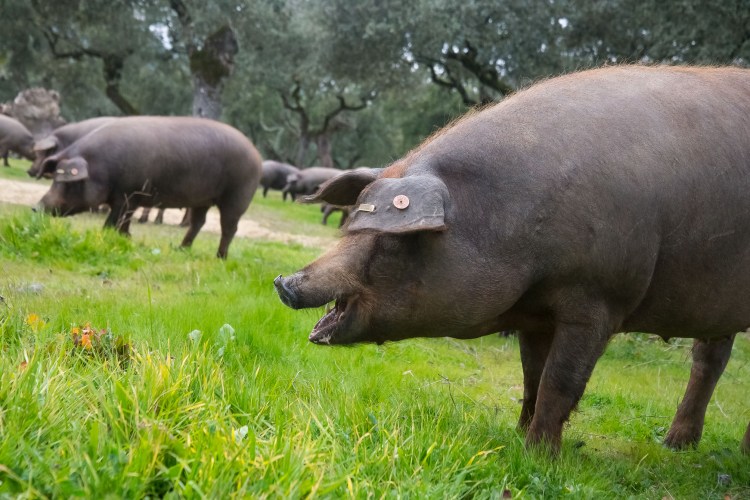
Away in the distance, under the hundreds of Spanish oak trees, large dark shapes are moving. An occasional grunt or squeal drifts our way and Antonio Hernández of the Dehasa ‘Los Pinos’ answers back with strange noises.

The black Iberian pigs prick up their ears, or they would if their ears weren’t so charmingly floppy, and a mob begins to move toward us. Continue reading

Catching Up With Hastings Fish

Nick heads down to Hastings to do a bit of fishing for Xmas recipes and discover more about fish

Hastings sea front

Storm be a brewing

The wind and rain are lashing the Stade on Hastings’ seafront by the Old Town, with people being almost bowled over as they move between the ancient black net sheds and the spanking new Jerwood art gallery on the beach.

I have my head firmly down and my coat wrapped tight around me, my glasses are so covered in moisture that when I do look up it’s like being in a blurred psychedelic light show. Where am I? I ask in desperation, to no one in particular.

A passer by takes pity and directs me to my destination, the Classroom on the Coast on the Stade. Pushing open the heavy door and sliding inside I’m suddenly out of the elements and I feel as happy as a fisherman who’s managed to get below deck in a Force 10.

Which is apt as there is an old fisherman waiting inside; John ‘Tush’ Hamilton is one of the last of the Hastings fish ‘hawkers’. Continue reading

Going out for a beer, or several, in Slovenia

There’s a burgeoning beer scene in Slovenia and some wonderful scenery too. Nick sees if something can successfully be organised in a brewery.


The men in the ‘pub’ of the Union Brewery in Ljubljana are in fine voice tonight. As a woman cranks rousing tunes out of an accordion that’s almost as big as she is, they roar out the choruses whilst waving mugs of beer to the beat.

It’s all sung in Slovenian of course, so I have no idea what the words mean, but I’m happy to raise my own glass and cheer loudly at the end of each song. The conviviality meter has gone off the scale here in this packed bar/restaurant.

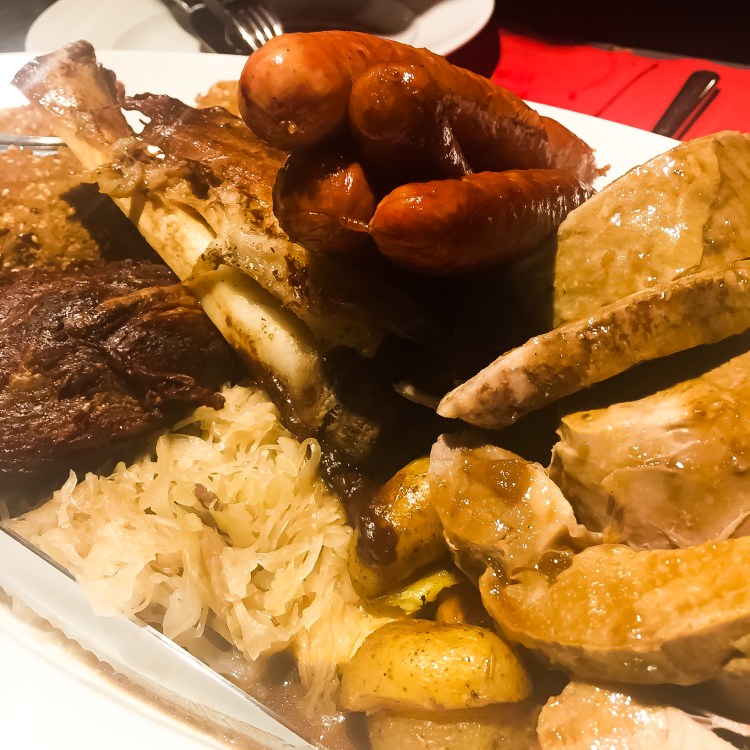
Also off the scale is the platter of meat in front of me featuring slabs of pork, tangles of spicy sausages, juicy spare ribs and more all piled onto sauerkraut and baked potatoes. Continue reading