Sushi, sashimi, teriyak, bento and sake. This little jewel of a restaurant will cheer you up on the greyest day, and do it all day long
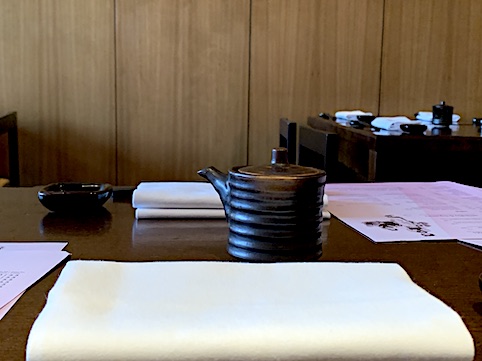
There are two ways into Miyako. Enter from the street, turn right at the chef’s station and into the compact dining room. Or come in from its parent luxury hotel, Andaz, it’s just off the reception and feels rather secret as if you’ve just found a hidden room at Hogwarts. One that serves sushi.
Is it a hotel restaurant or a stand-alone then? Does it matter? The offer is fresh food, unpretentiously served and at a not all that bad price. It’s open from lunch until late, so we got there at 2:30. This meant the lunchtime eaters had gone, but people still drifted in and out.
I immediately embarrassed myself by knocking over the soy sauce pot on the table, but the staff dealt with the tsunami with patience and good humour. With this drama over, I could concentrate on my now slightly soy-stained menu.
It has all you’d expect – maki, uramaki, nigiri sushi and sashimi etc and, if you want something hot, bowls of steamy udon, plates of crispy tempura, gyoza and, to me at least, the inexplicably popular katsu curry. It always reminds me of the 1970s, even though I was barely there. There are some teriyaki dishes, too.
Head Chef Kosei Sakamoto was raised in Kyushu in South Japan before moving to Tokyo and to London. Unflappable and focused he sends out the dishes at the right speed.
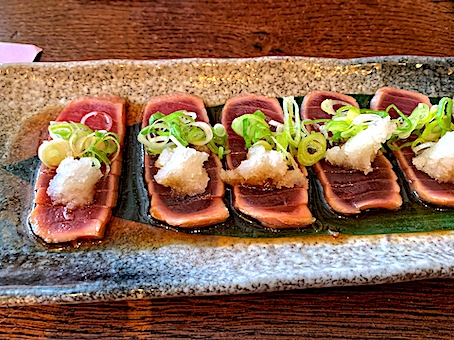
We had too many dishes to detail, but the tuna tataki stood out immediately, the tuna perfectly seared for the requisite few seconds. A drop of truffle oil elevating the usual citrusy dressing. Slippery fellows to get the chopsticks around, though, I dropped them a lot.
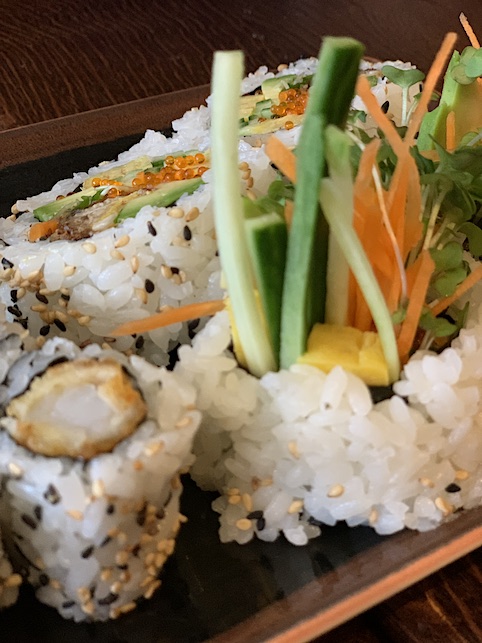
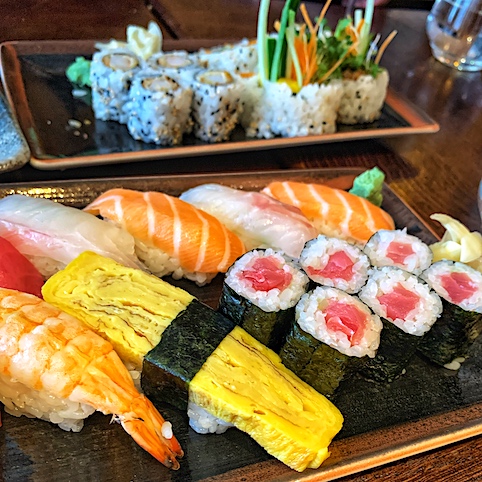
Plates of maki went down very well, some with fish, some with veg, all dipped into my now replenished soy sauce saucer. These much easier to handle with chopsticks, but it is allowed to use your hands.
We had to use our hands on the Uramaki. Here the seaweed is on the inside and the rice on the outside. Many of these were beautiful to look at, but totally impossible to pick up without them falling apart. We simply got messy. There was of course tangles of pickled ginger and blobs of punchy wasabi to add to each mouthful. I love pickled ginger.
There was also lots of sushi, the fish as fresh as could (and needs) to be and tamagoyaki-topped nigiri sush. This rolled and sliced omelette is usually left for last as its slight sweetness makes it almost dessert.
We ate a great deal, we enjoyed all of it. This is the kind of unpretentious, but focussed, small place that makes Japanese dining enjoyable and not daunting.
Be sure to check out their Bento Box deal as well, and their ‘Business Lunch’ fixed price menu served between 3pm – 5.30pm. It looked rather good.
If you don’t have a decent butcher on your doorstep don’t worry, you can still get the finest meat delivered
I don’t live in a ‘nice’ London postcode. Waitrose won’t set up shop anywhere near us and Ocado has an armed escort and throws the shopping at our door rather than risk stopping.
Well not really, but we do lack posh shops and the nearest proper butcher is many miles away. So we are at the mercy of the big supermarkets, and much as I like lamb, particularly at Easter, I have had too many expensive disappointments from supermarkets to ever buy it there again.
So Swaledale had me in interested with their talk of being an award-winning Yorkshire-based online butcher that works in partnership with small-scale, sustainable farms on The Dales. They specialise in heritage breeds of cattle, sheep and pigs, wild venison, and native game birds, supplying many a top restaurant.
The Dales are particularly noted for sheep farming, with hardy breeds such as Swaledale, Lonk, Dalesbred and Herdwick all foraging freely on the lush grass, herbs and flowers. The result is smaller, darker-fleshed lamb that tastes of the ‘terroir’, although I suspect many down to earth Yorkshire people would gag at such fancy French talk.
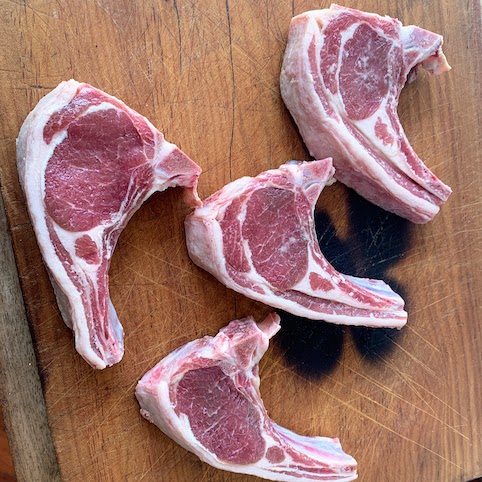
So we tried out some of their lamb by post. Lamb chops, because a perfectly cooked lamb chop chewed off the bone is one of life’s’ great pleasures. We also chose some Merguez sausages because we were intrigued to taste a Yorkshire merguez. Another great pleasure is eating merguez slapped into a buttery baguette, a staple snack at every French bric a brac market and always served with a barquette of freshly cooked from frozen frites and glass of raw vin rouge.
And just for ‘fun’ we also had some mutton chops. A lot of people give mutton a miss, it’s regarded as a bit old fashioned and can also be a bit too ‘gamey’ for modern tastes, but good mutton is well worth seeking out.
The lamb chops were excellent. The plan was to grill them on our new Weber, but while I factored in the weather I forgot it gets dark at 6pm, so we cooked them on a cast iron grill on the kitchen gas rings. Three to four minutes a side with the grill hot as Hades, the internal temp checked with the trusty Thermapen – overcooking lamb is a criminal offence, or should be.
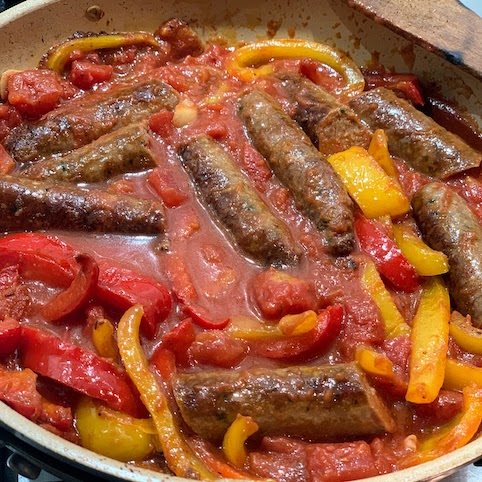
The Merguez were the best I’ve tasted outside North Africa, quickly frying to an attractive gold colour and with a firm snap to the skins. We ate some cooked with red peppers dobbed with a poached egg, and the next day sliced into pieces in a couscous. My suggestion that we should also have them for breakfast was vetoed.
Finally the mutton chops. For these we thought we’d be a little adventurous and used the recipe from the take it easy chef for mutton chops karnatkas style. This involved pressure cooking the chops in some water and spices before adding a masala mix and simmering for twenty or so minutes.
Indian cooks use pressure cookers a lot, they’re fast and energy efficient. Here the cooker turned the meat very tender without taking hours of slow cooking. Lots of flavour and an authentic taste.
So we were impressed with Swaledale’s lamb. As traditional quality butchers become harder to find, and hard to afford, mail order meat is certainly a great way to go.
I’m not normally a fan of stereotypical American food, but I get kinda converted at a lavish preview
American food is often defined solely by the UK’s rather twisted lens. Watching TV we tend to think that all Americans ever eat is steaks bigger than plates and burgers so enormous you need to dislocate your jaw like an anaconda to fit them in.
Of course that’s not entirely unfair. Americans do things big and that includes food.
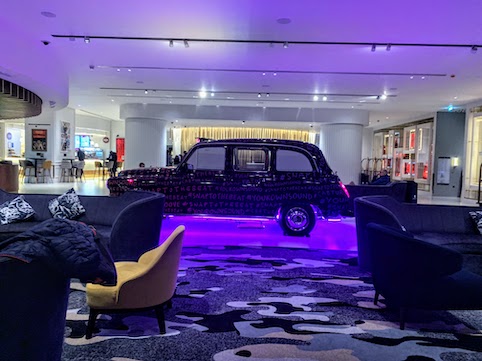
SOUND London is a very big space inside the Cumberland Hotel, so large it’s even got a London taxi in reception.
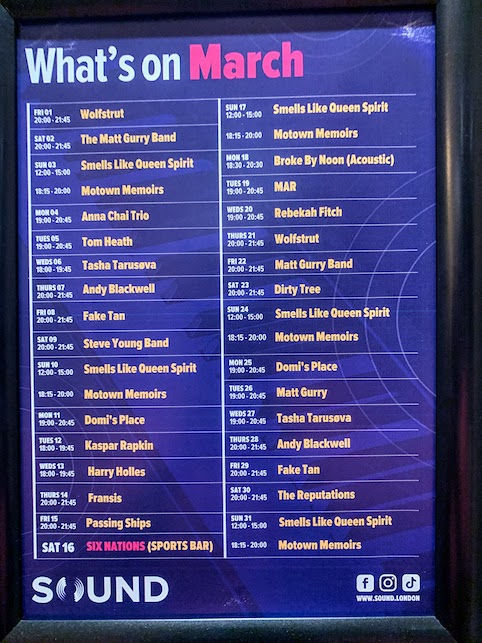
Walking in is like entering a classic bar in Florida, it’s all very colourful and bright and packed with people, and on the stage is a band. This is the kind of place usually called a Sports Bar where giant TV screens beam the big games with state of the art sound sound systems, and have live music at other times. The food is equallyloud and proudly Comfort American,
SOUND London at The Cumberland Hotel in Marble Arch now has a brand new Americana menu with lots of small plates, burgers, BBQ meat platters with sharing sides and gravy, and the mighty 20oz Tomahawk steak for sharing served with mash, chilli greens, baked tomato topped with a garlic and herb crumble, as well as salsa verde and red wine gravy.
So I starved myself all day in anticipation.
We skirted around the sweet little robot server trundling cheerfully up and down, and nabbed a table in front of the stage where an acoustic trio were competently playing all the hits and more. Rather oddly the two seat tables are arranged so one of you has his or her back to the stage, it would be better surely to have seats side-on so you both can see?
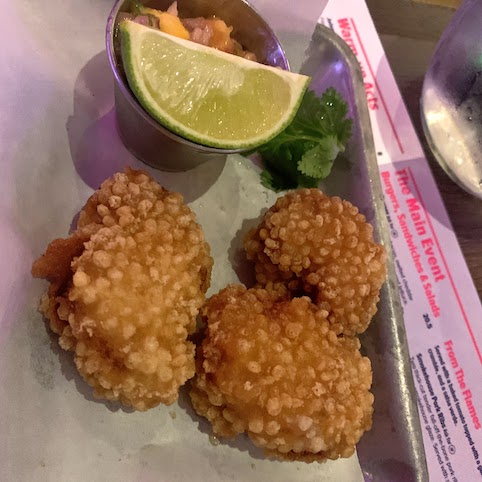
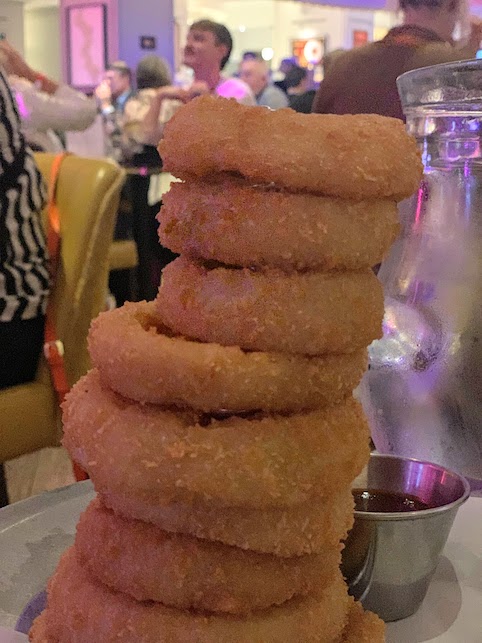
The menu is not massive ,but it certainly inspires big hunger. We had a cocktail each and were undecided for starters between Stuffed jalapeño poppers, Jumbo prawns with spicy mango salsa, Grilled corn ribs, Buttermilk Chicken Tenders and the ‘Ultimate Onion Ring Tower’.
We had the peppers and the prawns and also succumbed to our server’s insistence to try the onion tower – well, when in the U.SA etc.
The peppers were great, ideal for accompanying drinks, ideally ice cold beers. The prawns fat and juicy, the batter crisp and fresh. And the onion rings? Well these were impressive and certainly towering.
They were also extremely, deadly, hot. We both had serious problems through taking too big a bite, the batter burning us and the onion inside annoyingly reluctant to be bitten through. We decided to let them cool down and concentrated on our other dishes. If your kids order the tower, and this is a kid friendly place, be careful.
We wanted the Tomahawk steak to share, who wouldn’t, but apparently it’s marinaded in red wine and J is allergic to tanins. We agree to share the The Smokehouse Platter instead – BBQ-glazed smoked beef feather blade, pulled pork shoulder, glazed pork ribs, Texas hot link sausage, grilled corn ribs, BBQ ranch beans, red cabbage slaw, pickles and tear ‘n’ share mezzaluna bread.
It’s brilliant, a real feast of America. The ribs fall apart perfectly, the shoulder easily falls to the fork and we devour it all hungrily as the band lurches into an acoustic version of Oasis’ Stand By Me.
Anyone not on the red meat train could go for the Big Bird Platter -BBQ-glazed skin-on chicken breast, slow-roasted chicken wings in a choice of BBQ or Buffalo Hot Sauce, buttermilk chicken tenders, grilled corn ribs, BBQ ranch beans, red cabbage slaw, pickles and tear ‘n’ share mezzaluna bread and it looks good,.
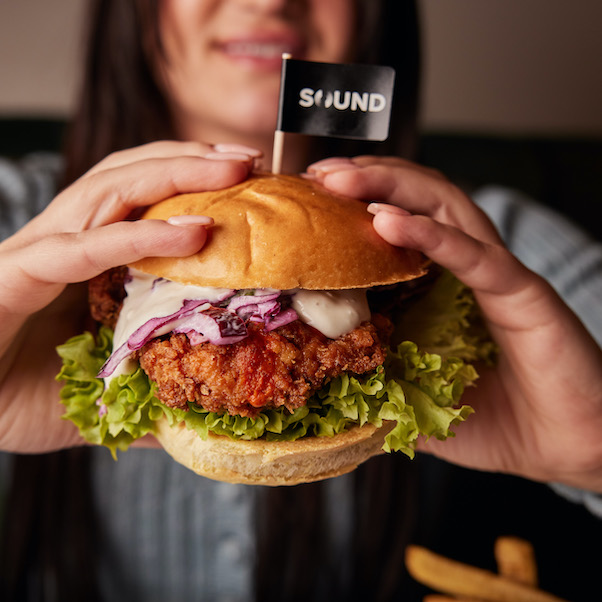
And if you want a burger well fear not because the Burger Studio has The London Double Decker, crispy buttermilk chicken Clucky and smokey BBQ Pulled Pork. And they are biggggggg!
We watch them go past rather wistfully, as we are now sated, and just about manage a House Apple Cobbler, and a thick Millionaires Brownie. We are stuffed and then some.
Take me home, country roads. Or rather, take me home Northern Line. I did enjoy our visit to America.
A beautiful room and some seriously stunning cakes, this afternoon tea certainly made my day
They say English Afternoon tea originated in the 1840s, a light meal to tide over genteel ladies of quality until dinner at 8pm.
Lunch it seems was not an English thing back then, a posh person had a biggish breakfast and then toughed it out until the evening. No nipping down to the mansion, or the castle kitchen, for a sneaky snack.
So to combat afternoon energy drops, ladies began taking tea and delicate sandwiches at around four o’clock in the afternoon. Soon no society hostess could afford not to invite or be invited to tea, it was ‘the thing’.
Today it’s something many tourists actively seek out, a quintessentially British experience in London’s best hotels. With so many on offer though, many a disgraceful rip off, it pays to be selective.
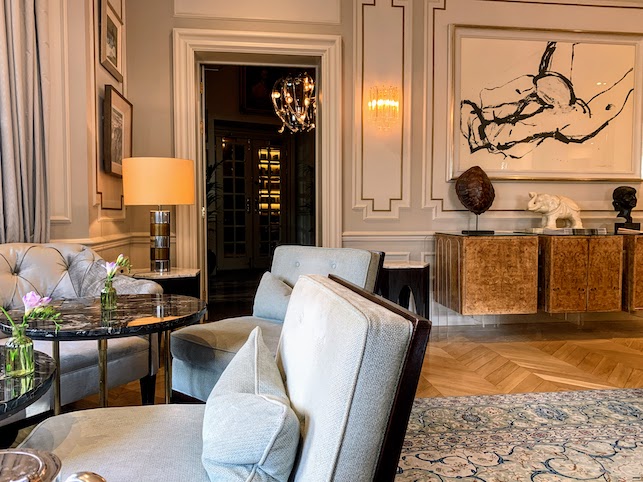
The Kensington, part of the Doyle Collection, is one the very best. Just a short walk from South Kensington station and the Natural History Museum, Royal Albert Hall and V&A, it appears to have been created by joining four elegant 19th Century stucco fronted houses together. Entering through the grand front door, held open by bowler hatted porters, you turn left into a gorgeous double aspect lounge.
On any day it’s a well lit room, warmed by a real fire, but on this sunny early Spring day it shines and dazzles. The furniture is a mix of modern and antique and just what you’d expect to find in the townhouse of a tasteful member of the aristocracy. Understated elegance.
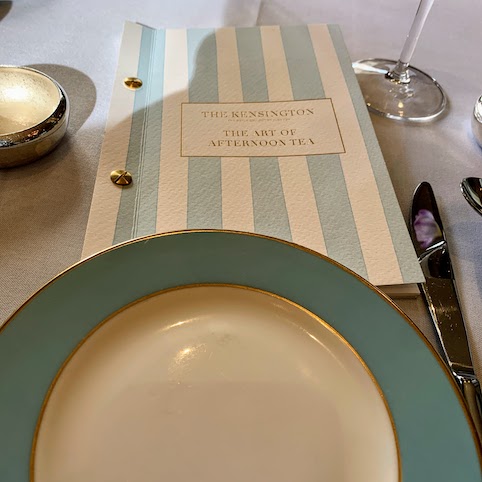
We take a table in one of the bay windows, noting the excellent china cups and saucers as well as the crisply folded napkins. Every detail matters when taking tea.
The menu offers a variety of The Rare Tea Company teas and infusions, from the classic ‘breakfast tea’ to exotic single suppliers. They are all the same price and are served ‘bottomless’, although you’d not utter such a common phrase here. A pre tea glass of champagne is appreciated, if not exactly traditional.
Up to a point the food is classic, which is a good thing. I’ve tried afternoon teas in places where they’ve gone crazy with the sandwiches, creating monsters that can’t be eaten without mess. The whole point of AT sandwiches is that they must be dainty, easy to hold and to nibble at.
Our tea arrives in silver pots too heavy to lift, which is okay as the charming staff are there to pour tea for us. Milk first or last? Last of course, because that way you have a chance to adjust the tea’s strength
I have delicious Rooibos while P has Cloud Tea, a fragrant black tea from the “Abode of Clouds” in the cloudy hills between Assam and Darjeeling.
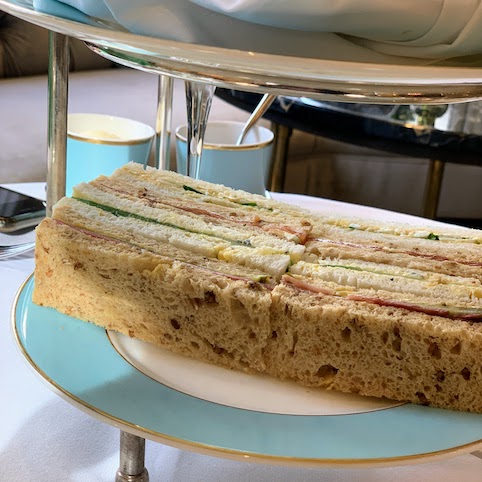
From the elegant tiered stand come sandwiches which are pukka and properly finger shaped – there is St. Ewe Egg with watercress, Chapel & Swan smoked salmon with lemon cream cheese, Cucumber with mint cream and Pastrami with gherkin and horseradish. All beautifully delicate and the teas make them taste even better.
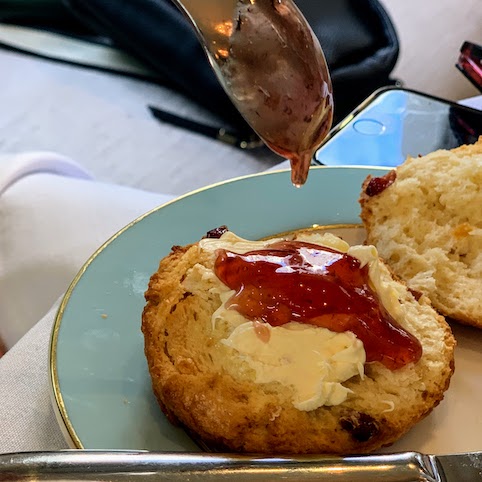
We have plain and fruit scones, cosily wrapped in a soft napkin. They are still warm. Thick clotted cream and homemade strawberry jam are slathered on.
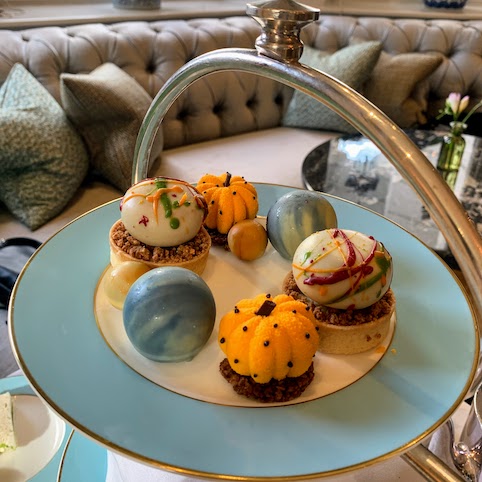
And now, as we wipe some off that jam off our shirts, we come to the art in the Art of Afternoon Tea.The sweet cakes have been inspired by artists and are quite incredible, so much detailed work has gone into them that it seems a shame to eat them so we look for a while instead.
These are inspired by Jackson Pollock, Yayoi Kusama and Alicja Kwade. The Pollock uses his ‘drip technique’ for a dark chocolate mousse tart with passion fruit parfait, Japanese artist Kusama’s cake is polka-dot pumpkin of mango mousse shrouding coconut yoghurt cream, and visual artist Kwade’s spheres are made from white chocolate vanilla mousse with pineapple compote centre.
Our photos do them some justice, but they are even more remarkable in the sweet, sugary flesh. A bit messy to eat, but I think that’s allowable.
We have our teapots refreshed and sink back into the deep cushions. The ceremony has done its job, we are no longer hungry but also feel that by dinner time we will be ready for more.
Everything done right traditionally and with a modern ‘arty’ twist. This Afternoon Tea is one you will savour.
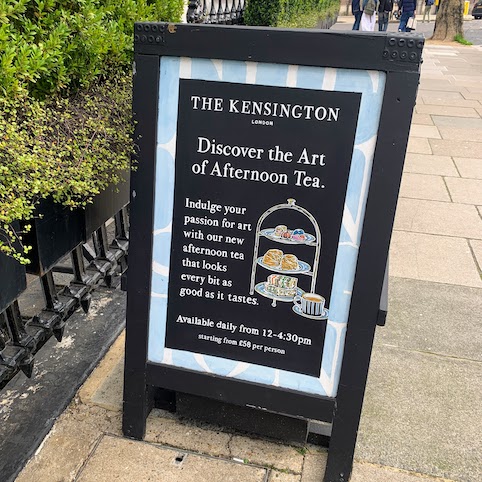
Prepared and served fresh daily, The Art of Afternoon Tea is available everyday from 12pm-4.30pm for £58 per person or £70 per person including a glass of champagne.
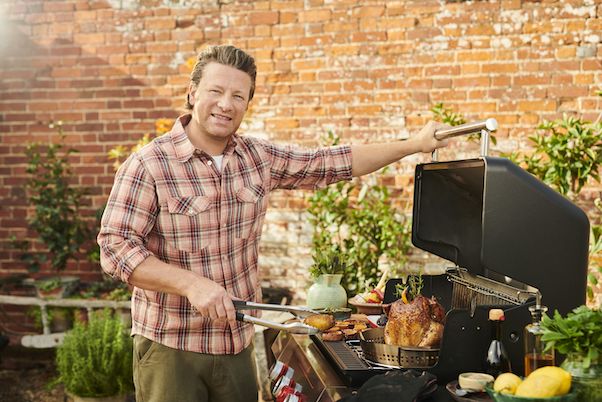
Looking out the window you might be forgiven for not thinking about barbecues right now, but summer is coming (honest) The BBQ Gods at Weber are getting all set with new products, now with the added ingredient of Jamie Oliver.
Jamie’s role is to be the front man, adding his cheeky chappy endorsement, as well as coming up with recipes encouraging people to move away from basic bangers and burgers and have more fun when it comes to outdoor cooking. It’s a good fit; after all if any famous chef seems genuinely at home with BBQ and cooking for friends, it’s our boy Jamie.
Weber really is the biggest and probably the oldest name in BBQs. It was in 1951, that their original round charcoal kettle grill was built by George Stephen Sr., who part-owned Weber Bros. Metal Works a sheet metal shop in Chicago. All he was doing was trying to improve on the brazier he was using to cook outdoors at home.
The metal shop fabricated round buoys for shipping, so it was simple to take two of the sheet metal half-spheres, put a grill in one half and make the other the lid. A legend was born.
You can still buy the original style Weber Kettle Grill, as it was then called, and it’s still a very good BBQ, but Weber, now named the Weber-Stephen company, has a lot more to offer.
So what’s cooking this year? We went to the Jamie Oliver HQ in North London to see the new kit in action, plus eat some Jamie food.
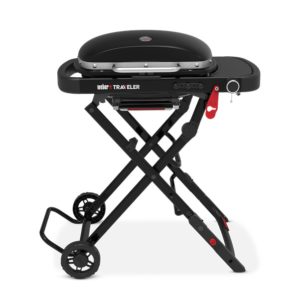
Starting with the smallest, there’s the new Weber TRAVELER Compact Barbecue Grill
This looks at first rather like a fold up pram, but within seconds this mini version of the award-winning, Weber Traveler Portable Gas Barbecue is up and ready to go with an innovative, one-handed setup and assisted fold-down.
Its high-quality, porcelain-enamelled finish means it can take a lot of knocks and once folded down it’s easy to store in a small garden or to overwinter indoors. Of course it’s also easy to take out with you on trips to the beach or countryside (where allowed).
It will be on sale soon in stores and at weber.com. We helped Weber’s team grill up some superb Jamie-style lamb chops coated in a pomegranate and olive marinade, which were done in no time. Seared on the outside, pink in the middle – perfect.
Gnawing on these, we next got to see the somewhat bigger all-new 2024 SUMMIT top-of-the-range smart gas barbecue. FS38X
This is, as Weber proudly states, the most technologically advanced, versatile, premium offering in the Company’s gas portfolio, a ‘high-performing culinary showstopper for outdoor space’.
Well you better have a good bit of outdoor space because this is a big BBQ
A fancy new feature is its extra-large, colour, high-definition touch screen, or you can work the whole thing from your ‘phone or pad,
You can set and change the barbecue’s temperature, select the preferred cooking method – direct or indirect grilling – and based on the chosen setting, the SUMMIT barbecue will show you precisely where to place food on the cooking grates for perfect results.
You can also monitor quick start and preheating steps so you know when the barbecue is ready to use
And what’s more you can continuously follow the progress of a cook remotely but also, when needed, the SUMMIT barbecue will automatically self-adjust its heat levels to maintain an accurate temperature, or smoothly manage temperature changes with precision to ensure dishes are not over or undercooked,
I am not saying you should go to the pub and monitor dinner from there, although that would be a good idea, but at the very least you can sit down with guests and not have to constantly hop and down to go and check the BBQ.
Gas level is also monitored so you know when it’s time to refuel, you get alerts when food is ready to be removed from the grill and you can shut down the barbecue remotely.
It has a top-down IR broiler to rapidly sear and caramelise dishes and supersized FLAVORIZER bars, a cavernous cook space, r and the powerful PUREBLU burner system, it cooks as great as it looks.
Added features are extra-large prep and serve side tables, a side burner and NIGHTVISION motion-sensing lid-integrated LED lights that illuminate the entire grilling surface – from the side table to the grates.
All SUMMIT barbecues come in stainless steel or Weber porcelain enamel with a tuck-away rotisserie, soft-close cabinet doors, and a stainless-steel smoker box. Additionally, they come ready to use with the WEBER CRAFTED Outdoor Kitchen Collection of grillware, which includes a variety of accessories such as sear grate for the perfect sear marks on your steaks, pizza stone and many more options.
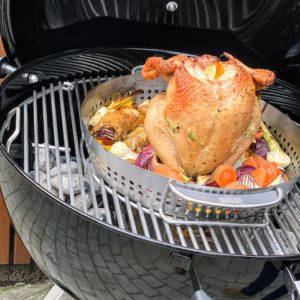
From the classic One Touch we ate ‘beer can chicken’ using Weber’s special chicken roaster pan to make Barbecued Roasted Chicken with Salsa Verde. Delicious sharing food.
Summer IS coming, but even now cooking outside is possible, and pleasurable, with Weber’s range of time-tested and innovative BBQs. Turn up the heat!
All of these new products, including a massive new version of the ever-popular One Touch, will be available in the shops and at Weber.com soon, well in time for a great British summer.
Cava is not just for celebrations. This sparkling wine from Catalonia is certainly fizzy enough to liven up any joyous event, but what about served with food? We decided to see if Cava could handle the sommelier’s pairing nightmare – Indian.
Cava is often overlooked as a sparkler, with most people heading straight for the Prosecco when they want a night out on the fizz, or a bulk party drink that won’t break the bank. Cava though has a great deal going for it.
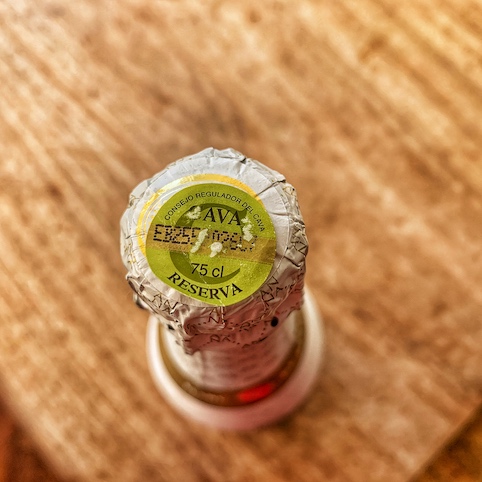
It’s a Denominación de Origen (DO) sparkler from Spain and only cavas produced in the traditional method can be called “cava”, anything else is just a sparkling wine.
Most cava comes from the Penedès area in Catalonia, and the centre of production is the village of Sant Sadurní d’Anoia where the big guns can be found, namely Codorníu and Freixenet.
Cava is made by the champagne method, and the Spanish still call it champán, or champaña, in Spanish, or xampany in Catalan, but technically that’s illegal and you won’t find it on any bottle labels. The French get upset, you see, as a good Cava can outperform many a champagne.
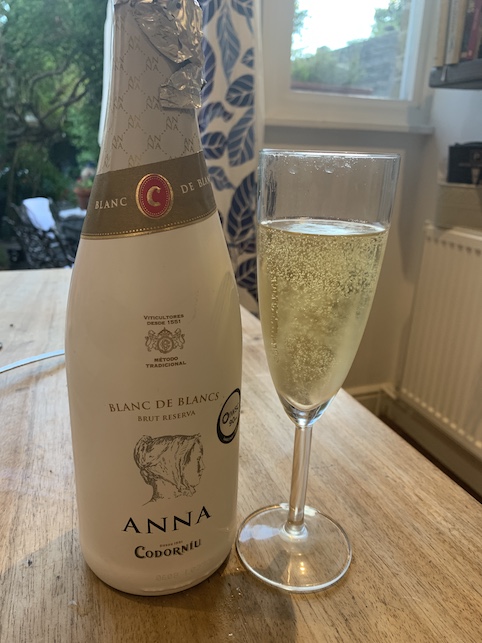
Anna de Codorníu Brut NV Sparkling Cava is a combo of the Chardonnay grape with the three classical cava varieties (Parellada, Macabeo and Xarel-lo) which gives it an extra dimension. It comes in a white wrapped bottle which makes it stand out rather beautifully, the only problem is you can’t see how much cava is left.
That’s ok though, because at around just £13 a bottle you can simply open another. And at a reasonable 11.5% ABV, it won’t leave you demolished by the time it comes to dessert.
The first cava to incorporate Chardonnay, ‘Anna’ honours the Codorníu heiress who married the viticulturist Miquel Raventós in 1659. Since then the Raventós family has owned Codorníu and retained the Anna name as a world-renowned brand. This is Spain’s favourite sparkling wine – and the Spanish do know a thing or two about cava.
We bet that no one in Spain has ever tried it with a curry before though. Only a Brit would do that.
The Eats
We got our food in from our local (ish) ‘Indian’ Balham Social who do things differently with a distinctly modern attitude. So the usual bottle of Cobra beer was always out of the question. The food arrived in a stylish bespoke bag and all the dish containers were above average quality. Particularly impressive was the way the containers kept the food looking good, this is not your average Indian and its presentation even on takeaway was perfect.
Balham Social. Best Indian in South London
Would the citrus, apple notes of the Cava help or hinder the food? Would the flying Cava cork break another lampshade? Can Cava get turmeric stains out of the carpet? We aimed to find out.
Of course opening the Cava is always fun; do you go for the celebratory loud pop, plus ricocheting cork, or the restrained ‘pomp!’ you get when calmly twisting off the cork? We are ‘pompers’, less waste and damage.
Received wine wisdom is that sweet wines go best with spicy food, and it’s certainly true that a wine which seems unbearably sweet on its own becomes a different animal when the chili kicks in. Still rules are meant to be broken and Anna is as dry as Jeremy Paxman,
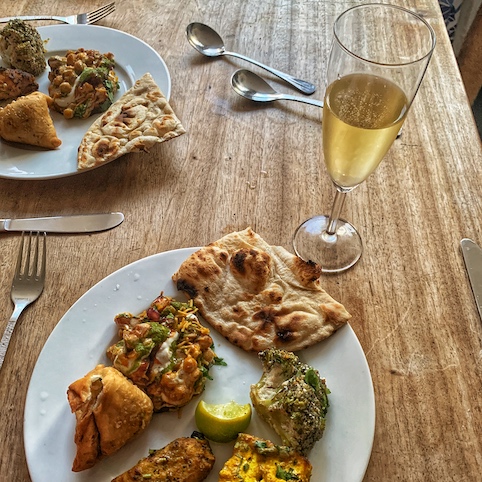
Our first dishes of tandooried vegetables, paneer and Masala Chana, Punjabi samosa with mint, tamarind chutneys and sweet yoghurt, were superb; fantastic flavours that the Cava worked very well with, crisply refreshing our palate in between bites with its citrus and fizz.
At first it seemed odd to be drinking a sparkler with an Indian meal, and not a fizzy lager, but we soon got used to it.
One particular advantage of Cava over having beer with Indian is that it didn’t fill us up, which was good as the food was generously portioned.
Grilled lamb chops were stunningly good, perfectly charred outside and pink within, fiercely hot which had us gulping the chilled Anna, and slathering on the supplied mint chutney, to douse the flames.
This and excellent chicken and spinach, the spinach creamily pureed, perfect basmati and fluffy nans made for a great meal made extra special by the spin put on by Cava.
Try Cava with your next meal, you’ll be very pleasantly surprised at just what an everyday drink it can be,
Clue up on Cava – there’s more to it than you might think. www. cava.wine/en
Cava De Guarda
Aged for a minimum of 9 months, Cava De Guarda is the youngest of the Cava range.
Bursting with freshness, these Cavas are light, fruity and citric, often expressing a palate of white flowers and fruits. Perfect with light apéritifs or fresh seafood.
Cava de Guarda Superior Reserva
The second youngest, Cava de Guarda Superior Reserva is aged for a minimum of 18 months, creating more depth and complexity. Very fresh, with notes of peach, apricot and a touch of toast, these Cavas are ideal with crab cakes or grilled mushroom burgers.
Cava de Guarda Superior Gran Reserva
Cava de Guarda Superior Gran Reserva is even more complex, aged for at least 30 months. With strong notes of toast, baked apple, walnut and butter alongside smoky flavours, these Cavas are very elegant and a great match for a wide array of cuisines. Try alongside a traditional Spanish paella or vegetable linguini.
Cava de Guarda Superior de Paraje Calificado
And finally, as the name suggests, Cava de Guarda Superior de Paraje Calificado (qualified location) indicates Cava from a determined area specially chosen for its distinguished terroir. Aged for a minimum of 36 months, but often much longer, these Cavas have an amazing aromatic complexity with ripe white and yellow fruit on the nose with notes of aromatic herbs, mushrooms and truffles.
They are the perfect pairing for more complex meals such as chicken katsu or vegetable curry.
Cava Rosado
Or why not try a Cava Rosado to add even more elegance and glamour to your summer get-togethers? Also made in the traditional method and with the same categories as white Cava (except for Paraje Calificado), Cava Rosado is made with the skins of red grapes resulting in a beautiful pink colour and notes of red fruits, fresh berries, bay leaves and flowers. Perfect to have as an aperitif or alongside your favourite fruit salad.
In and around Newlyn, restaurants are cool, creative and it’s now a food destination that has to be tasted to be believed. I take a trip to taste for myself.
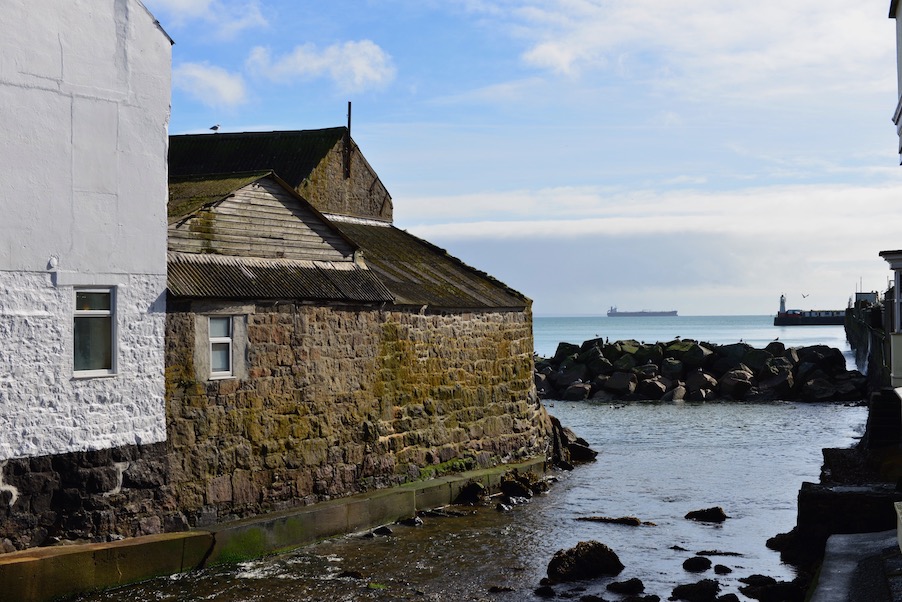
Just past Penzance on the south coast of Cornwall, and about as far west as you can get before falling into the sea, sits pocket-sized Newlyn home to one of the largest fishing fleets in the UK.
Small winding lanes, many impassable for cars, conceal the cutest cottages often still lived in by the fishermen and their families. Up the hill, larger houses enjoy panoramic views of the ever changing coastal comings and goings.
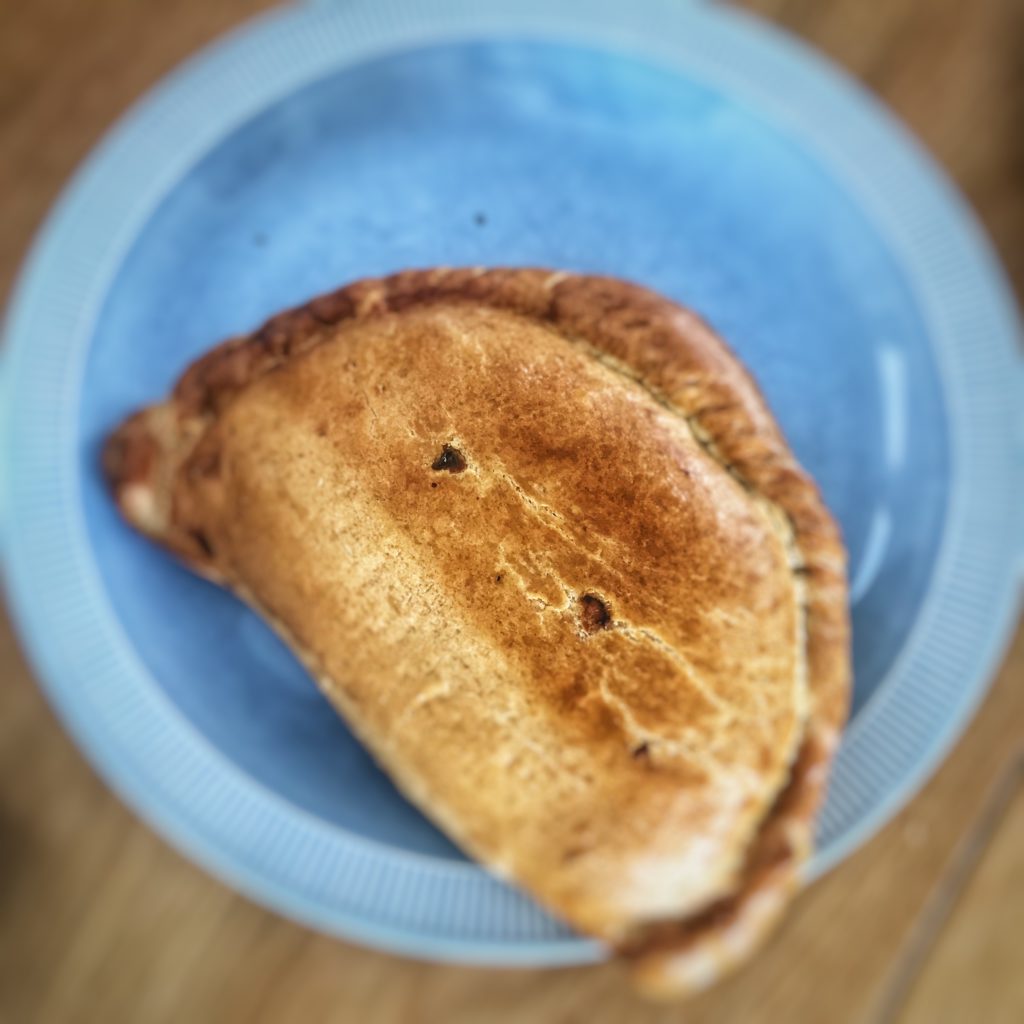
Once Newlyn was only food- famous for its Cornish Pasties, which are still delicious and home made at Aunty May’s, the place to score a proper steak pasty.
These are best eaten straight out of the bag, while sitting on the harbour wall swinging your legs, but the food scene has all changed recently with new and exciting restaurants popping up all the time.
Aunty’s Pasty
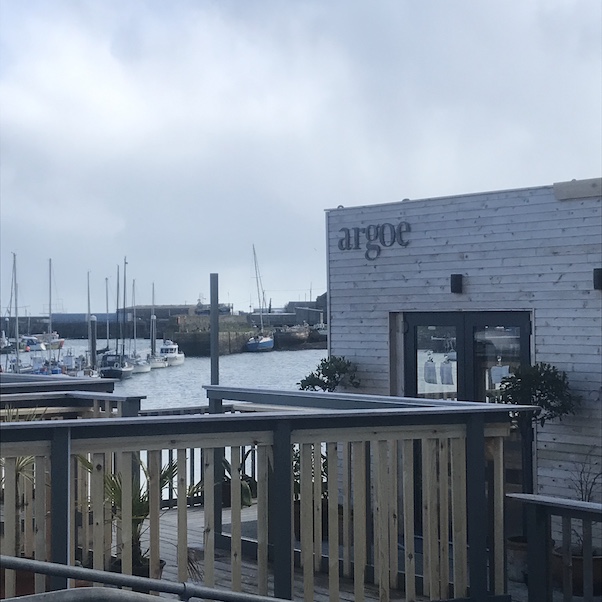
‘It’s different down here,’ says Rich Adams who styles himself owner/sous chef, ‘but these days mostly fish sourcer!’ of Argoe, a restaurant that’s a stylish hut located on the harbourside, cosily nestled among the fishing boats.
ArgoeRich Adams
‘Not so long ago all the amazing fish and seafood caught here went straight out in lorries to London and beyond, which was such a shame.’ Rich points out. ‘Now there are new restaurants here in the port and all around all doing great things with our local produce. After all, the best place to eat fish is always by the sea!’
Argoe is definitely one of those places. As the afternoon February sun beams down on Rich and his team as they make more simple restaurant tables and chairs (he once trained to be a cabinet maker), go behind the pass to see the most important part of this kitchen, the charcoal grill.
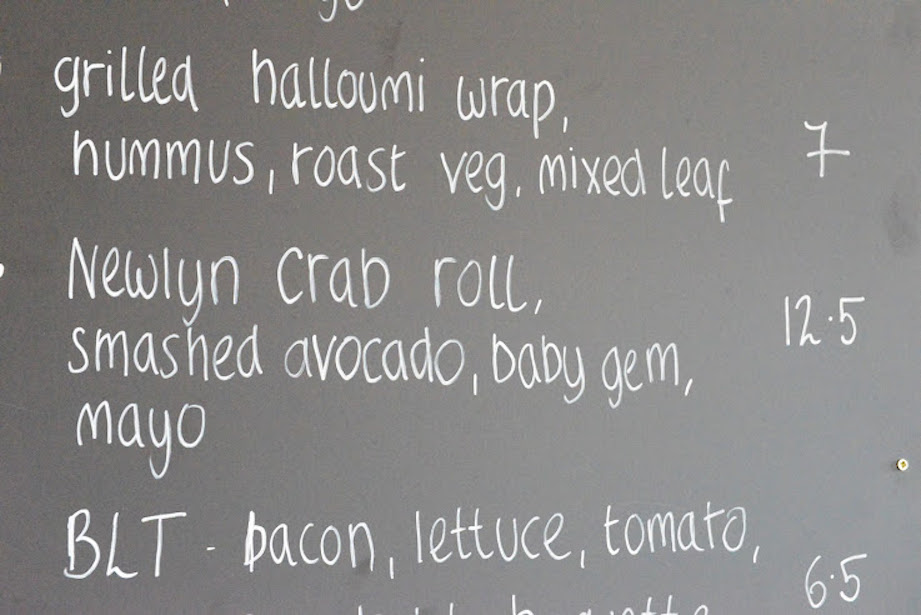
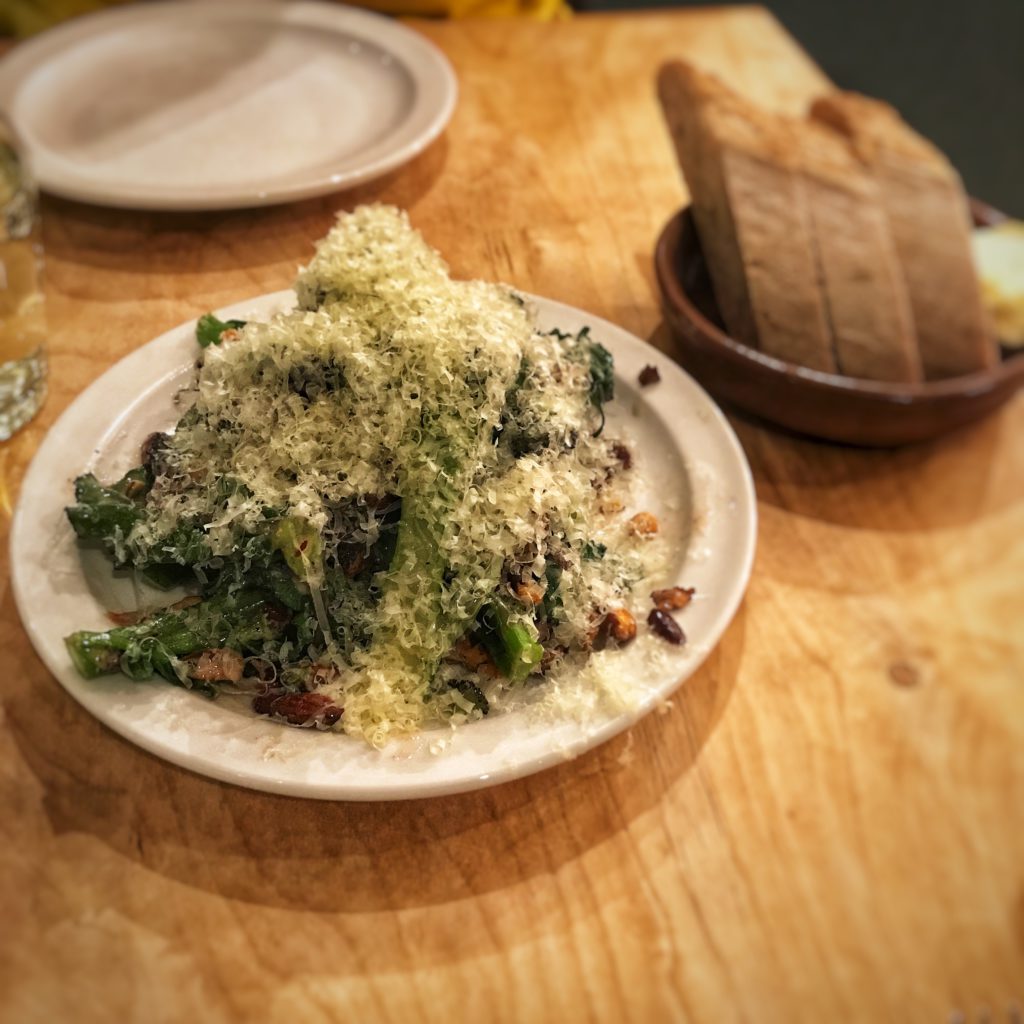
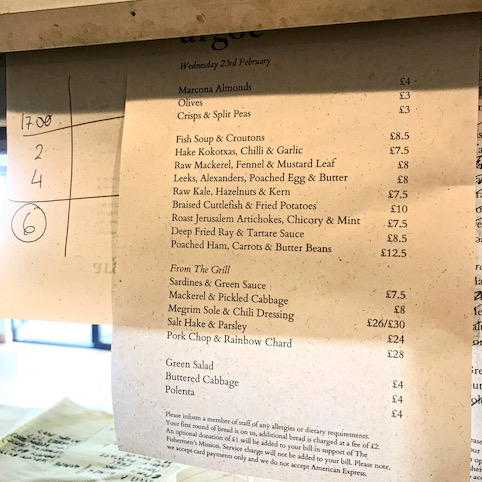
Argoe StarterArgoe Menu
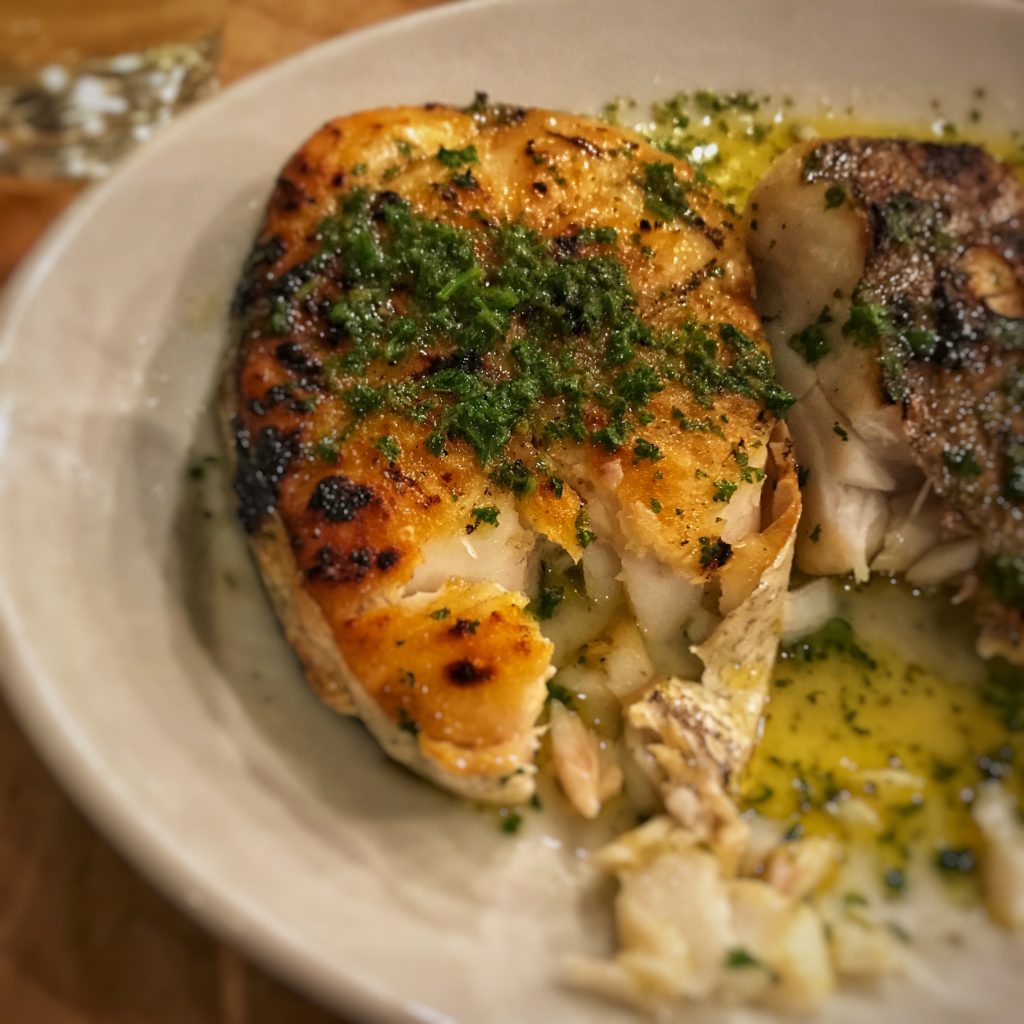
Here they cook very simply, ‘fish, salt, olive oil, top quality charcoal,’ says Rich. It’s cooking in the style of the Basque country, such as you’ll find at places like Elkano near San Sebastian whose grilled turbot ‘rodaballo’ is legendary. At Argoe they use instead Megrim Sole, an ugly local fish underappreciated by most as it’s so cheap. It is, however, very tasty.
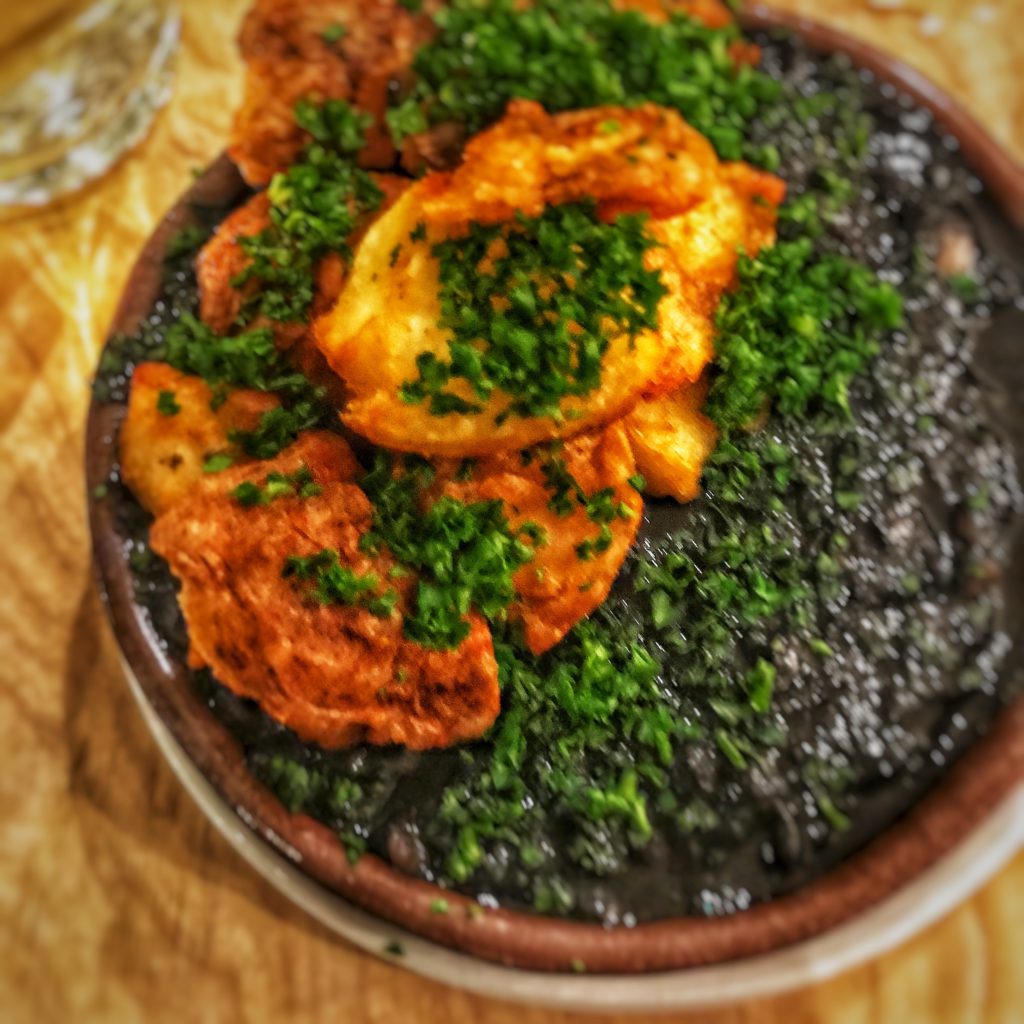
That night in Argoe I find the sole is soled out, so instead I have superb locally caught hake three ways, griddled on the coals and served with Kokotxas, the hake’s throat, a gelatinous delicacy in Spain that’s often discarded here.
CuttlefishWhite fish
Rich’s father runs a big fish wholesaler over the road from Argoe, and Rich tells me he goes over to his father’s place to take the unwanted Kokotxas for the restaurant, often trimming them out himself.
Kokotxas also feature as starters at Argoe, served with chilli and garlic, but we had Braised Cuttlefish and Fried Potatoes, the cuttlefish sweet and meltingly tender in a rich inky sauce.
Wines are natural, chosen by another new Newlyn place, Lovetts, a tiny wine and coffee bar on Newlyn front ‘The Coombe’, serving a range of superb wines, and, as we found out, some rather good charcuterie as well. It’s a great place to make friends, as you’re so close together it’s impossible not to fall into conversation with other couples.
On ‘The Boat’
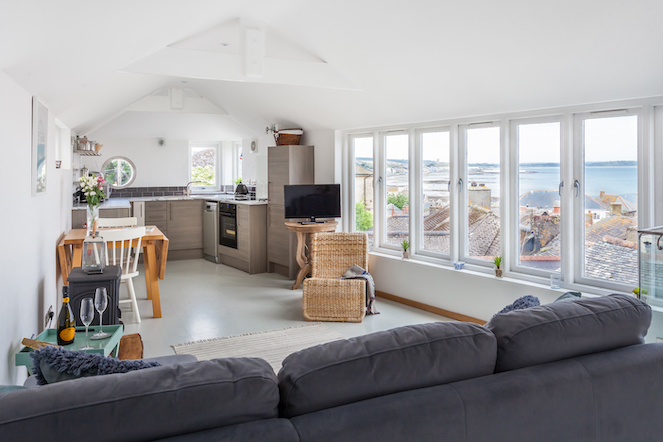
We had a couple’s retreat par excellence in Newlyn, The Blue Place, rented via Aspects Holidays, a marvellous converted old workshop a little way up the hill and a few minutes walk from the harbour.
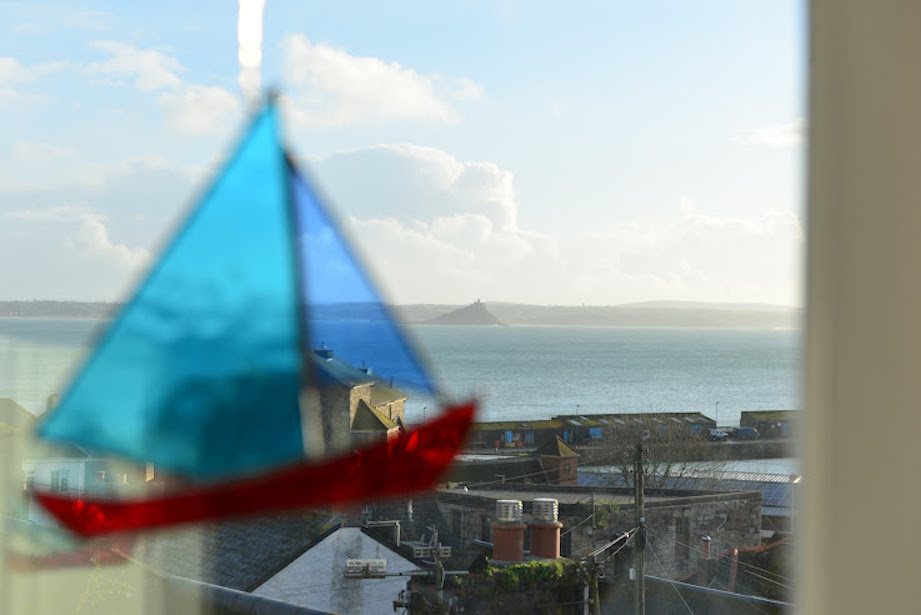
St Michael’s MountThe ‘Boat’
Wooden, and so blue on the outside we could see it from the harbour, this quirky cosy place is cleverly ‘upside down’ so that the lounge and kitchen get the great views, as does the outside deck.
We took to calling it our ‘little boat’, as it felt so much like one, a cosy place to end the day’s exploring with snug underfloor heating and tight insulation. Fast wi-fi, and a TV that was internet enabled, took care of entertainment but really watching the harbour comings and goings was entertainment enough.
Downstairs was a comfortable bedroom with high quality linens, as well as a very smart bathroom with large walk in shower and lots of fluffy towels. Outside a pretty courtyard was just big enough to accomodate an average sized car, a very useful thing as parking in Newlyn is scarce. All in all, it was perfect.
The Blue Place also came with a wonderful welcome hamper of remarkable Cornish produce, including sea salt that we put to good use one night on brilliant takeaway haddock and chips bought from the legendary Lewis’s on the Coombe.
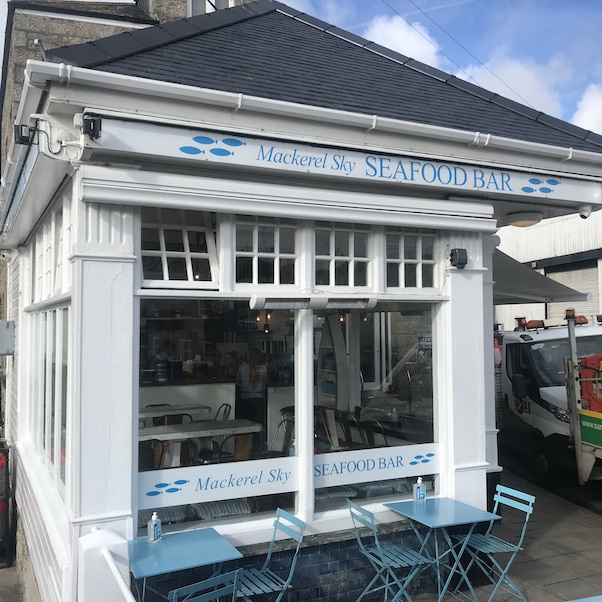
We’d heard from friends in Cornwall of another special place in Newlyn, the Mackerel Sky Cafe. “The queues are enormous, whenever we drive past’ said our friends.’ We don’t know what they’re selling, crack cocaine perhaps?, they joked.
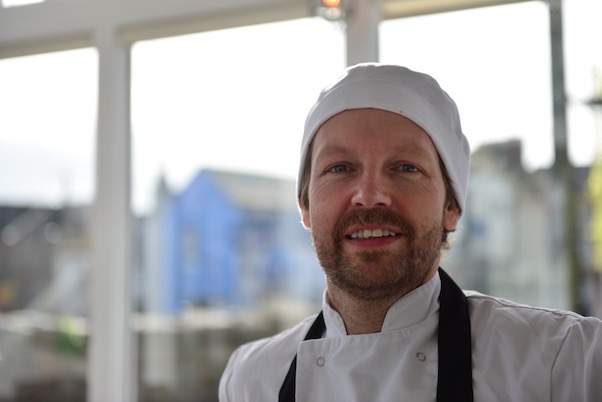
‘The queues do get a bit long,’ laughs chef Paul when I mention it to him when we meet before the day’s opening,’ we don’t do reservations and, as you can see, it’s a small place’.
It certainly is, although there are outside seats which, as I’d seen the night before, people seem happy to use even on a chilly February evening, the food is that good.
Mackerel Sky was opened in May 2015 by Nina and Jamie MacLean who’d previously wowed locals and tourists alike in Penzance. Like Argoe it keeps it simple, letting the fish do the talking.
MackerelMackerel Sky
‘We don’t have any freezers, only fridges,’ says Paul ‘the boats text us with what they’re coming in with and every day we prep fresh fish for our service 12 am until 9pm. We can also call up fresh fish anytime of day if we’re running low, after all the sheds are just across the road.’
‘If people are waiting too long, and the queue is down the road, we send them to Lovetts to have a drink or recommend other restaurants in Newlyn, we all help each other out, we’re not rivals.’
PaulThe Hake
‘Our dishes are small plates and the whole experience is not geared to lingering; get in and order a load of dishes, enjoy and move on. We also do takeaway, if you’re staying in Newlyn.’
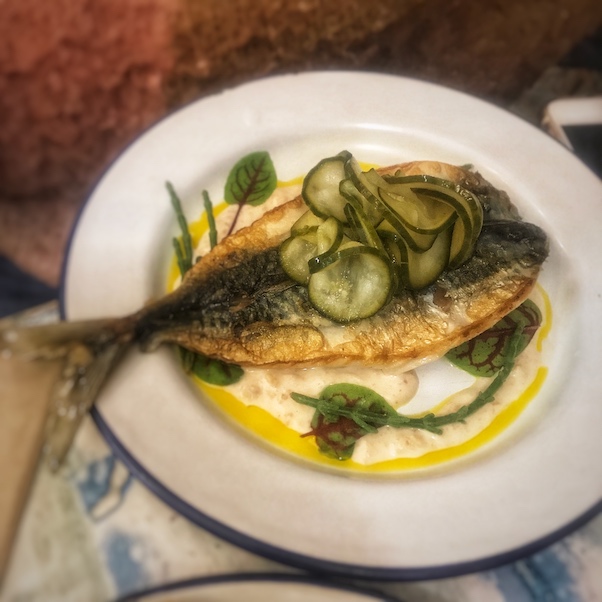
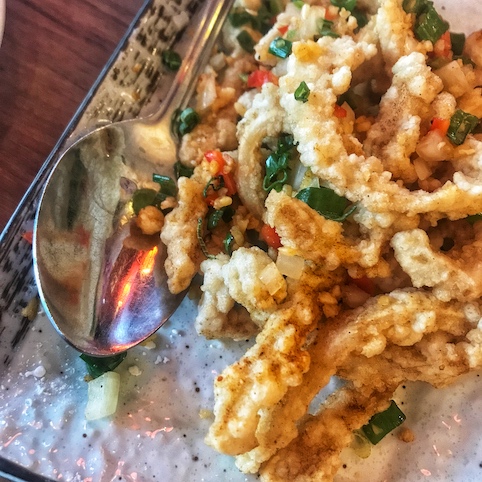
That night we timed it right to get a seat and soon found ourselves oohing and aahing over plates of Salt & pepper squid with aioli; tender perfectly fried squid seasoned just right, then some Grilled mackerel, pickled cucumber, horseradish – something of a signature dish – was redolent of the sea.
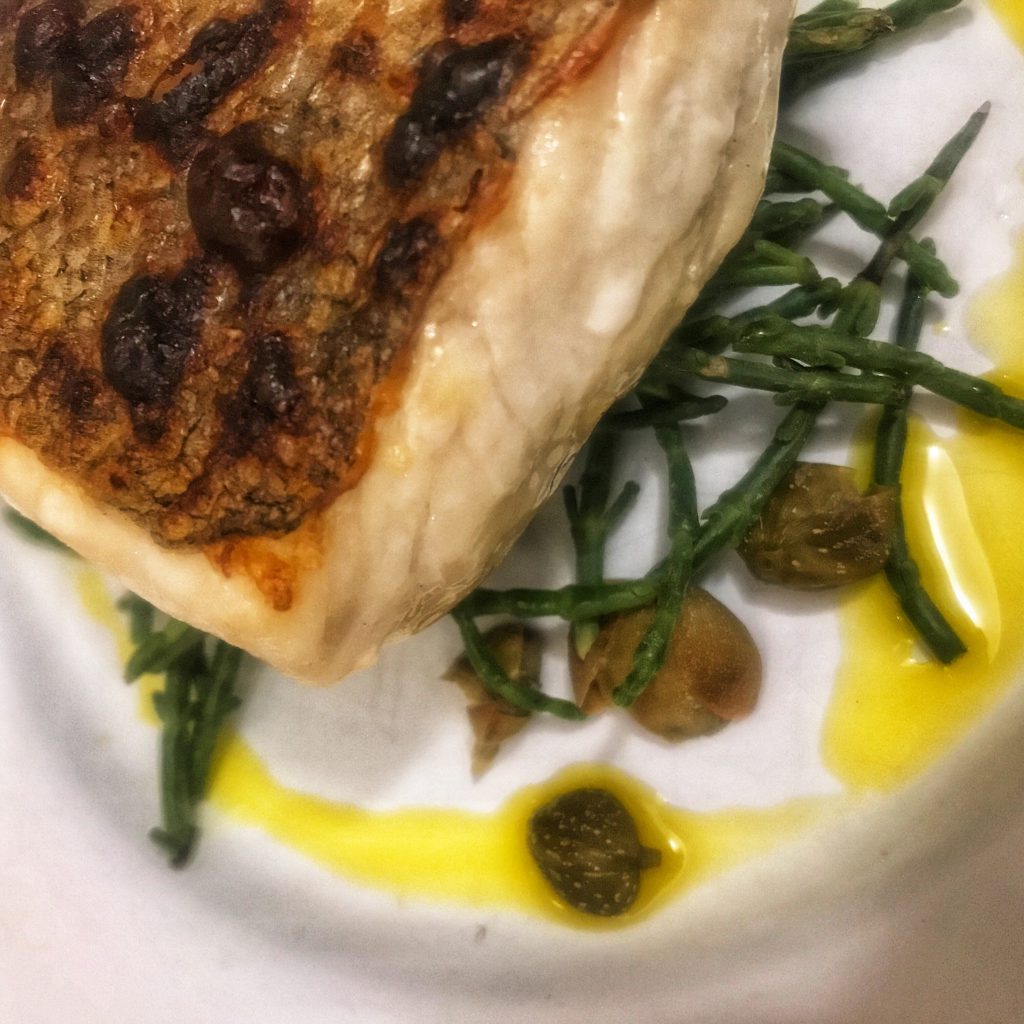
Finally grilled local white fish, samphire and capers. The fish also turned out to be hake that night, but we weren’t complaining. Hake is such a great fish that for some reason the British fail to appreciate fully. We washed it all down with St Ives Meor, a crisp IPA perfect for fish.
Good news is that Mackerel Sky will be expanding in time for the summer, taking over a small space next to Newlyn Cheese and Charcuterie, a wonderfully compact and aromatic artisan cheese shop with cheeses from all over the west county and France.
We ran out of time and couldn’t eat at The Tolcarne, which at ten years old is one of the more venerable ‘new’ restaurants in Newlyn, and one the most-respected, but I did get to speak to co-chef and owner Ben.
“We had been looking for a pub for some time,” he tells me. “It was a bit of a gamble at the time as Newlyn wasn’t on a ‘food map’ so to speak, but it had this raw appeal and I just thought – that’s where I want to be, I can make it work.”
“Simple dishes, which highlight excellent ingredients – that’s how Matt and I both like to cook. We spend more time removing components from dishes than adding them!”
At The Tolcarne you might find Spiced monkfish, hummus, fine beans, pomegranate molasses, dukkha on the lunch menu, and Hake, pancetta and fagioli bean stew, broad beans, salsa verde, pangrattato on at evening time. Hearty food that flits across borders, but is solidly built on Newlyn produce.
The boats keep coming in. The fish gets served. Newlyn is a food paradise, at the Land’s End.
Of course Newlyn is just the start, check out its antiques scene, the prestigious Newlyn Art Gallery, the remarkable fresh fish and shellfish at Trelawney Fish and Stevensons Fish, and try the baked potato and crab at the timeless Ship Inn in beautiful, bijou, Mousehole just ten minutes away.
Top tip, take the bus because Mousehole has limited parking and is unsuitable for larger cars. You will lose at least one door mirror. Ask me how I know.
And further afield, and nothing is very far in this part of Cornwall, is Lands End itself, the rugged beauty of Zennor, the sands of Sennen and the remarkable grandeur of St Michael’s Mount clearly visible from Newlyn.
Oh and we have to mention the cafe at The Lizard, the southernmost point of the UK – lovely home made fruit cake, a dollop of clotted cream and a view of the rocks and waves to die for, if you don’t watch your step.
We stayed in one of Aspects Holidays Cottages, a Cornish company which began as a family business in 1989 and still feels like one. Their selection of quirky yet luxurious cottages is one of the best in Cornwall.
Still hot, numbing and exploding with flavour. Barshu has not thrown the baby out with the bathwater with this new makeover.
One pm in Soho, Friday, on the corner of Frith Street. ‘Where is everybody?’ says H peeking out through the slats at Barshu and out into the road.
Where indeed? Back in the day, pre-Covid, on a Friday lunchtime there would have been people everywhere in Soho – standing outside the pubs, packed into the restaurants or just moving purposefully about.
‘It’s not the same,’ she sighs, tweezering up a crispy piece of salt & pepper squid and popping it ruminatively into her mouth. ‘Nothing is the same’.
It’s true, even Barshu, where I’ve been eating on and off for over ten years, has had a makeover. It still feels the same though and the staff behind those fatuous paper masks still have the same cheerfulness of old. It’s just brighter and better now
And the food is still as good as ever, but now with extra dishes, and they’re still serving the kind of authentic Sichuan meat dishes that scare most non-Chinese half to death, including me.
Dishes such as ‘Assorted meats in fiery sauce (duck blood, honeycomb beef tripe, beef tripe, pig’s intestine, luncheon pork, etc)” for example. I wish I had the bottle to try it.
The menu is new,big and glossy, clearly fresh from the printers, and full of high-quality photographs. It goes on for pages and pages and you can easily find yourself going back and forth forever. Just what to have?
Well a mix of old and new suited us for starters, that classic salt and pepper squid for example. Colourful, crispy and fresh, all the dish lacked, for me, was more salt. Perhaps I was wrong about that, because I did end up drinking almost a gallon of Barshu’s excellent jasmine tea over the course of lunch.
Classic too was the sweetcorn soup, perhaps the first Chinese dish I ever ate when Chinese restaurants were still a novelty in the South London suburb where I grew up.
Back then I loved the strange glutinous texture of the soup and the egginess. I still do and Barshu, with the benefit of no doubt plenty of chicken bones for the stock, does an excellent version. Comforting and familiar, deeply flavoured
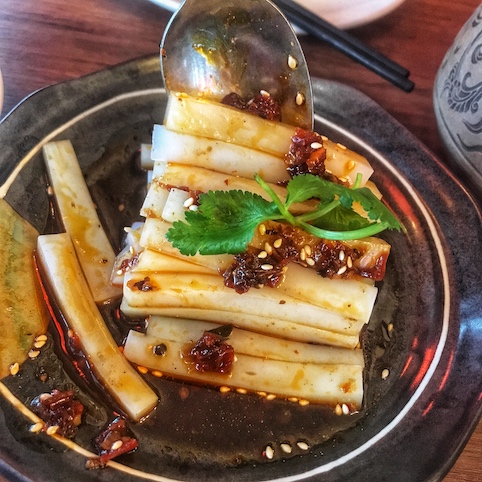
Unfamiliar can be good too though, and Sichuan pea jelly with chopped salted chillies was just that. Translucent green ‘logs slippery with fiery sauce. Handling them was like trying to pick up dropped shower soap with chopsticks, I finally resorted to fingers.
We liked the cool refreshing tones of the pea jelly against the chili, this would make a good vegan main with rice, depending on what’s used to solidify the jelly of course.
Sea bass has long been a Barshu staple, I had to have it but this time instead of the usual oven-roasted we had it in ‘soup’, Barshu calls it ‘boiled’ which rather undersells it.
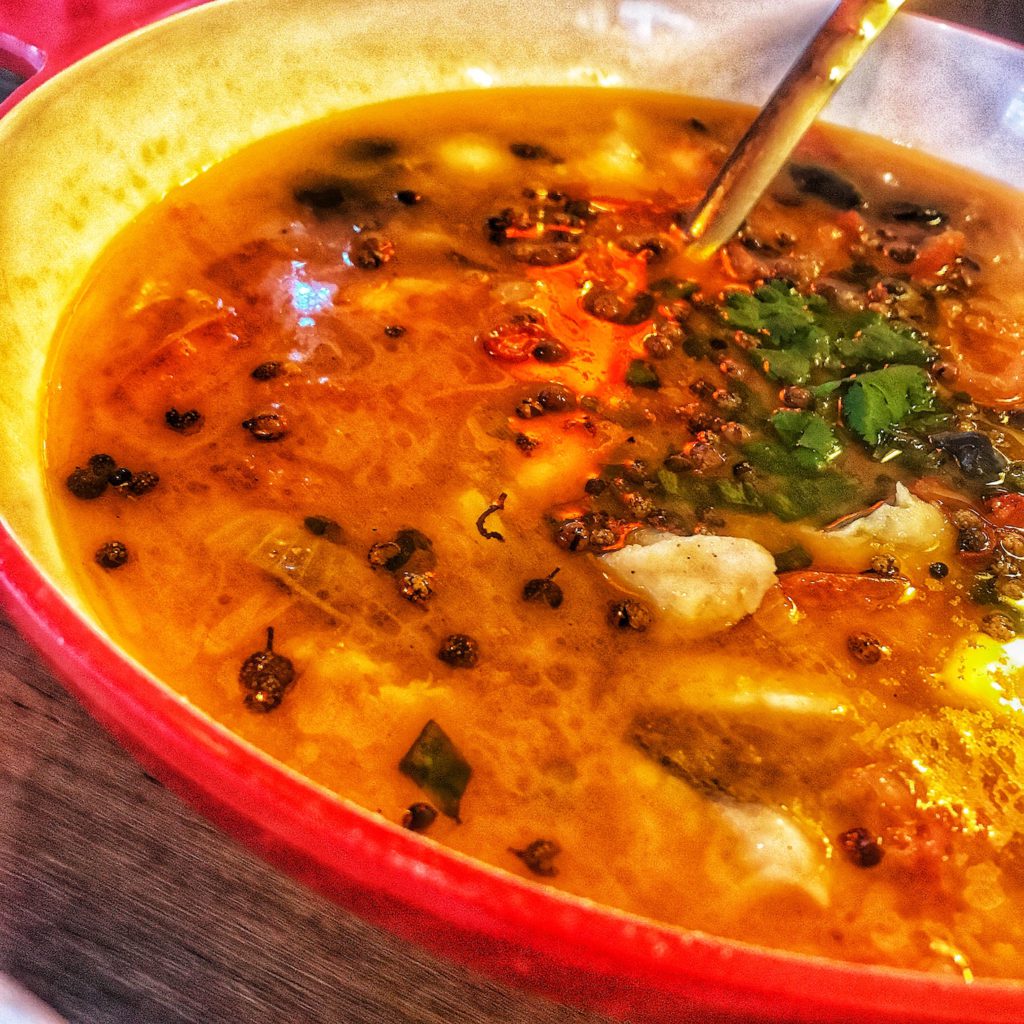
We had Boiled Sea Bass fillet with chilis and Sichuan peppercorn, which was superb.
In the broth, semi submerged, was lots and lots of pure white seabass fillet lurking under environmental-disaster-sized slicks of fragrant oil. Slippery mushrooms and sweetly sour tomatoes evaded the spoon like playful dolphins, and everywhere bobbed the Sichuan peppercorn that makes this food so different from the largely Cantonese cooking of nearby Chinatown.
We ladled it over plain steamed Jasmine rice, because that broth was born to be absorbed and raved over our fish even as the peppercorn did its business on our lips. Why do we love the numbness and the citric shock of Sichuan? What alchemy makes it so addictive?
We didn’t need the Ma Po tofu, here given its less attractive name of ‘Pock-marked old woman’s beancurd’, but it was loaded with peppercorns and chili and was hard to resist, so we didn’t.
Barshu is not cheap, although you can always find plenty of well-priced dishes that deliver plenty of taste. Splashing out one of the sea bass dishes, which are easily shared is well worth it though. Go as a crowd and you can really dive into the menu.
Hopefully Soho will return to life and when it does Barshu will once again be one of its premier places to eat.
Not perhaps the best product name, for English speakers at least, Grano Arso is a magical baking ingredient.
Myth has it that back in 18th Century Italy, poor villagers would scrabble to gather the scorched grains left after farmers burned their harvested wheat fields to make way for new crops.
They’d use this free flour to make bread and pastas with a distinct flavour.
Well, as is often the way with food, what was once only for peasants has become sought after by the well-heeled.
Knowing that I am a keen bread baker, online Italian foods specialist shop Gourmica sent me a bag of Grano Arso(400g, £5.15) to try out. They make it by toasting 100% Durum wheat flour.
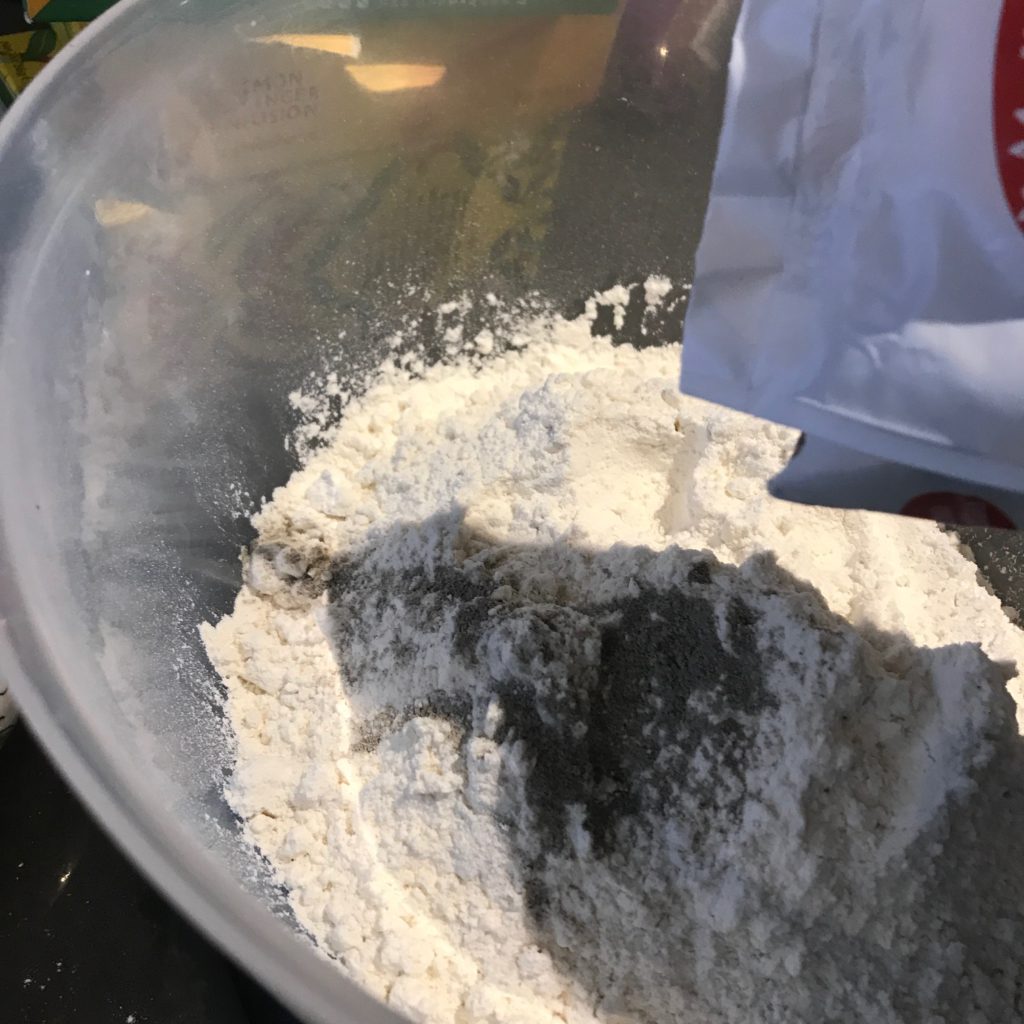
Opening the bag you get an immediate hit of the aroma of ash, almost sepulchral, and the colour is a darkish grey. It’s not as attractive as ordinary flour. This is probably what Nosferatu bakes with.
Usually I’d have made a sourdough loaf, but my ‘mother’ (who is now six years old) was having a bit of a sulk in the cold weather and not responding well to feeding, so I reluctantly fell back on Instant Yeast
Grey and black
No muscle needed
I normally use 500g of strong white bread flour, so I decided to make this mix 400g white and 100g Grano Arso. Nothing added but fast action yeast, water, salt and a smidge of sugar.
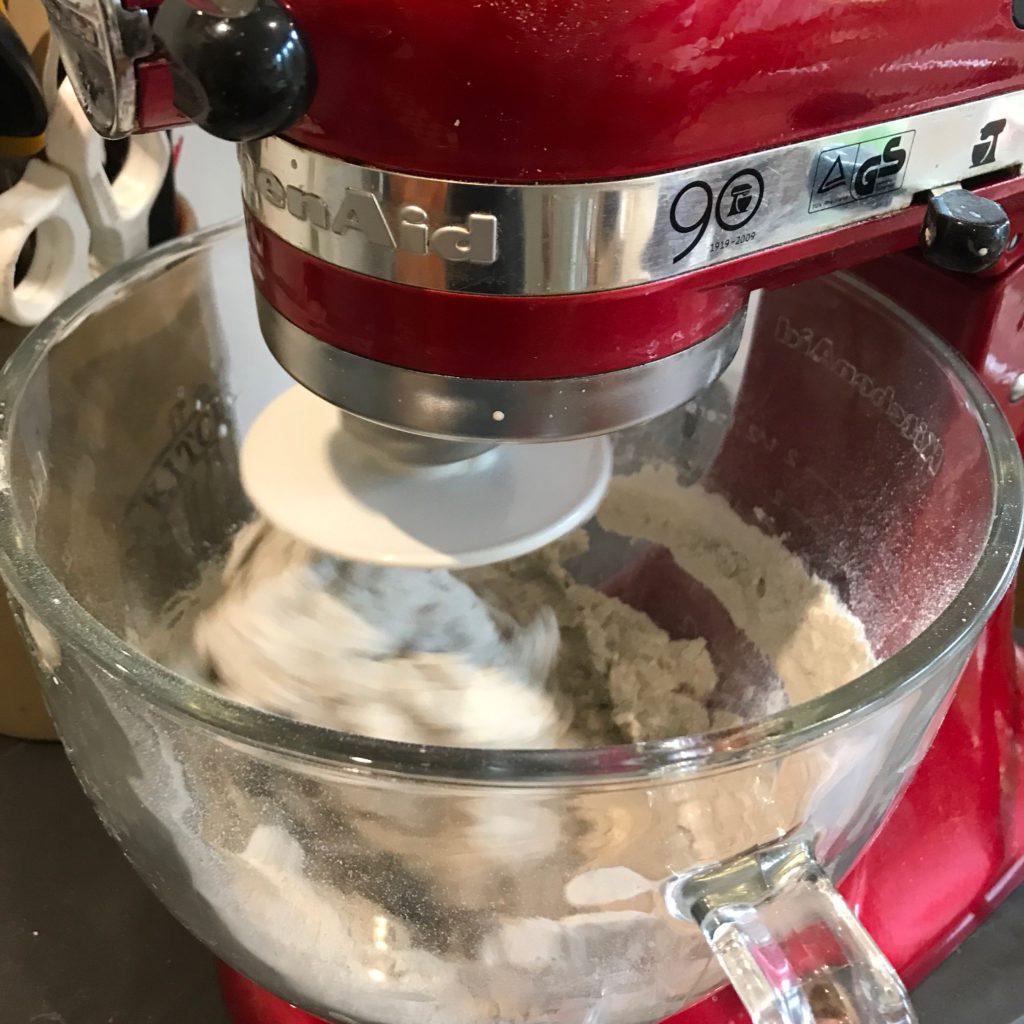
The KitchenAid made easy work of the kneading (I don’t need to knead sourdoughs) and I soon had a dark ball of smooth dough which after two rises went into the oven for 35 minutes.
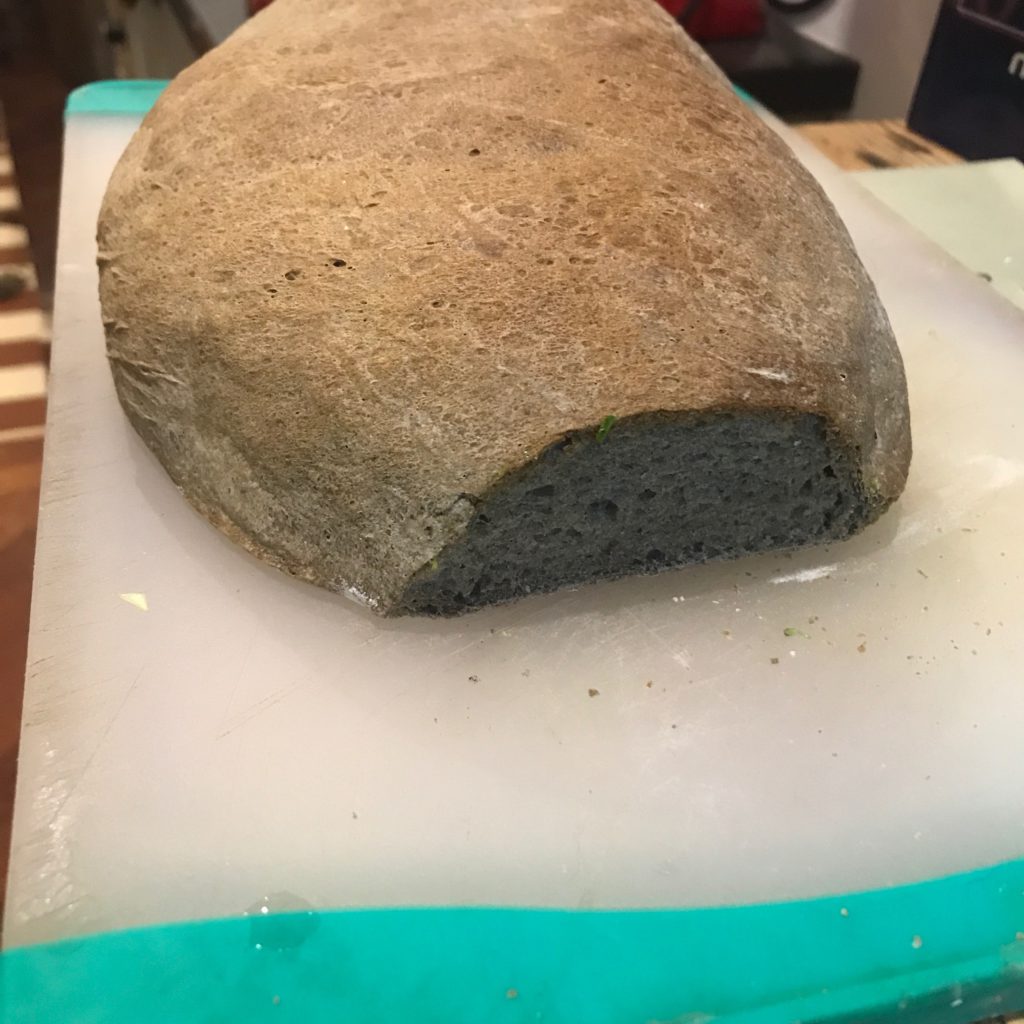
The resulting Humbrol Battleship Grey loaf was a bit flat, I’d used a bit too much water, but still good to go. I had to then impatiently wait for it to cool properly. If you cut into a loaf that’s still hot, you release steam and spoil it.
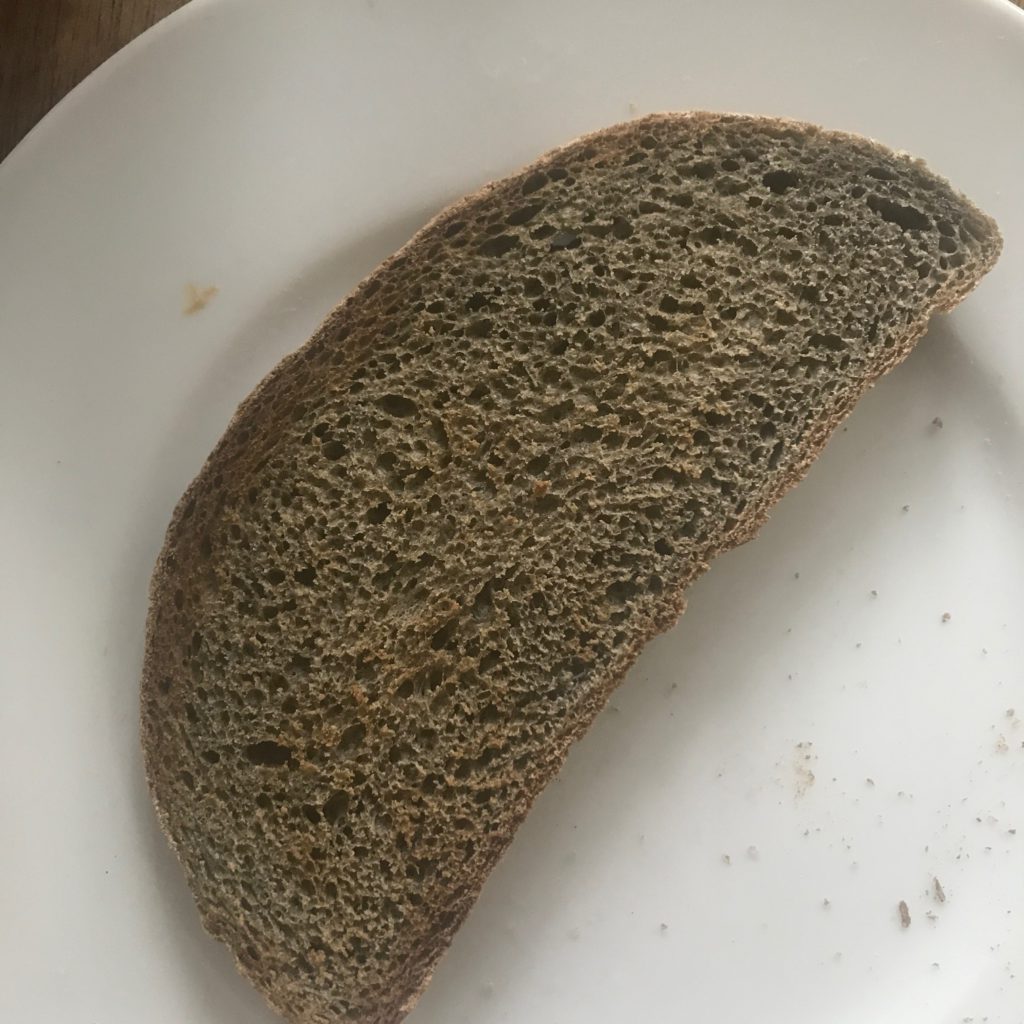
Finally slicing it a few hours later revealed a typical fast yeast close crumb, but grey. The aroma was of fresh bread in a dusty room. Not unpleasant.
The taste was at first a bit of a shock, a definite hint of ash, intriguing and moreish. Adding butter made it totally magical.
After a few slices I was hooked, it responds particularly well to toasting and is marvellous made into toast soldiers to dip into boiled egg.
I’ll be making sourdough next time for sure, and I am really looking forward to adding it 00 flour to make fresh pasta. Pasta always looks so bland. The pack also has a recipe for a kind of ciabatta, which looks interesting
You can also of course vary the flour ratio. I wouldn’t use any more than 1:4 myself but I might try a little bit less Grano Arso to see what happens. A pack won’t last long otherwise
A sliced surprise
Not brown bread, but grey bread
It’s just one of the many products from Gourmica a new online destination for gourmet Italian food which focuses on extraordinary Mediterranean foods.
There are tomatoes (including the champagne of tomatoes, San Marzano); pasta, rice & grains; oils & vinegars; beans & pulses; soups & sauces; antipasti and even plant-based choc-hazelnut spreads.
Gourmica is curated by Londoners Ernesto Coppola and Maria Suleymanova, of Coppola Foods , a fourth-generation family food business.
The team at Gourmica actively seek out family businesses whose specialist expertise has been passed down through the generations, just like the Coppola family.
And it’s not a cruise anymore, Eurotunnel Le Shuttle makes the going fast and easy and VAT refunds make it even more of a bargain.
Anyone my age might remember their dads bundling them, sleepy and complaining, into the Ford Cortina well before dawn to drive down to Dover and catch a ferry to France.
Cue hours of mal de mer and boredom, followed once landed, by a manic zoom around the Booze Barns before wheeling groaning shopping carts full of drink to the car to catch the return ferry just before it sailed.
Then finally home at midnight, with dad fit to be tied swearing ‘never again’ and the rest of us fast asleep.
Happy days? No, not really, but things have changed.
Under Not Over
Hearing that super-fast Eurotunnel LeShuttle have got together with French supermarket giant Carrefour to offer passengers a €10 gift card for every €100.01 spent in store until 30th November 2021, I was once more interested in making the trip.
And even more interestingly, post-Brexit UK residents can now get a VAT refund (up to 20%) on items bought in France including cosmetics, technology, jewellery, and of course food and drink items.
And Carrefour Calais is part of Cité Europe, a massive modern mall a short drive from the Eurotunnel terminal. Lots of shopping opportunities there,





 The Culinary Traveller